


Loading titles…
Documentary
An unprecedented, sweeping portrait of New Yorkers as they rebuild and rebound, from a devastating terrorist attack through the ongoing global pandemic, weaving together visual imagery and first-hand accounts from a variety of New Yorkers.


As the COVID-19 pandemic ravages New York, Spike Lee shines a light on the city’s racial justice activists amid rising police violence.

Lee hears from New York lawmakers who were at the Capitol on January 6. A Queens nurse becomes the U.S.’s first COVID vaccine recipient.
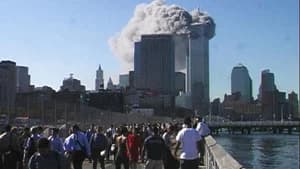
Lee explores the attacks of 9/11, hearing from survivors, frontline workers, and boat captains who launched a historic maritime rescue.

A range of interviewees reflect on 9/11, the ongoing hardships they’ve faced, and the city’s determination to emerge stronger than ever.
No cast information available.
Modern history can be divided into two time frames: before 9/11 and after 9/11. This five-part docuseries is a cohesive chronicle of the September 11, 2001 attacks on the U.S., offering illuminating perspectives and personal stories of how the catastrophic events of that day changed the course of the nation.

Featuring interviews with key political figures including President George W Bush, Vice President Dick Cheney, Donald Rumsfeld, Rudolph Giuliani, Michael Bloomberg, and media heavy hitters Dan Rather, Tom Brokaw and Matthew Broderick, this documentary event examines 9/11 through the lens of the last 15 years. Brought to life by photos declassified in 2016, recently released documents from the 9/11 commission, and never before heard stories from photographers and first responders, a new perspective will arise to provide an unrivaled viewpoint of the historic attack.

After the West left Afghanistan in August 2021, the Taliban returned to power. Thomas Erdbrink, who speaks fluent Persian (and therefore Dari) after years as a correspondent in Iran, presents various stories of Afghans. He speaks with Taliban fighters, courageous women, and the victims of the American bombings, among others.

The terrorist attacks of September 11, 2001, reshaped the world far beyond the day itself. The ensuing “War on Terror” transformed warfare and intelligence operations, expanded surveillance and the use of drones, and raised fundamental questions about torture, human rights and the rule of law. At the same time, 9/11 fuelled racism, radicalisation and conspiracy theories, while contributing to growing distrust in political institutions and the media. From the wars in Afghanistan and Iraq and Guantánamo to the rise of right-wing populism and increasing political and social division, the long-term consequences of 9/11 continue to shape global politics and society today.

A massive effort is currently under way to reshape ground zero into an expansive 16-acre complex the likes of which has never been seen before. To document this historic effort, we are on the ground alongside the men and women who are making this vision a reality until the nationally televised unveiling of the new ground zero with President Barack Obama on Sept. 11, 2011.

The aftermath of 9/11 has left the firefighters of the NYFD traumatized, and no one more so than Tommy Gavin. Recently separated from his wife and their three kids, Tommy drifts between sorrow and anger as he tries to shake the recurring nightmares of his fallen comrades, especially his late cousin, Jimmy Keefe. Working alongside veterans like Lt. “Lou” Shea, Franco Rivera and Sean Garrity, and rookie Mike Lombardi, Tommy battles alcohol and drugs as he struggles to remain first and foremost a New York City firefighter.


Driven was a motoring television programme launched by Channel 4 in 1998 as a rival to the successful and long-running BBC series Top Gear. The style was similar to its rival, but with additional features such as the "Driven 100", a road test of three cars in the same class, where each car would be given marks for qualities such as practicality, desirability and cost of ownership. The car with the highest total score would be the winner. The programme launched with the concept that the presenters should interact with each other rather than present items on their own, as was then the case on Top Gear. The first series also featured a "headquarters", a racing team truck, set on a former air force base at which cars were put through their paces. These concepts resurfaced in the reborn Top Gear soon after.
