Loading titles…
Documentary
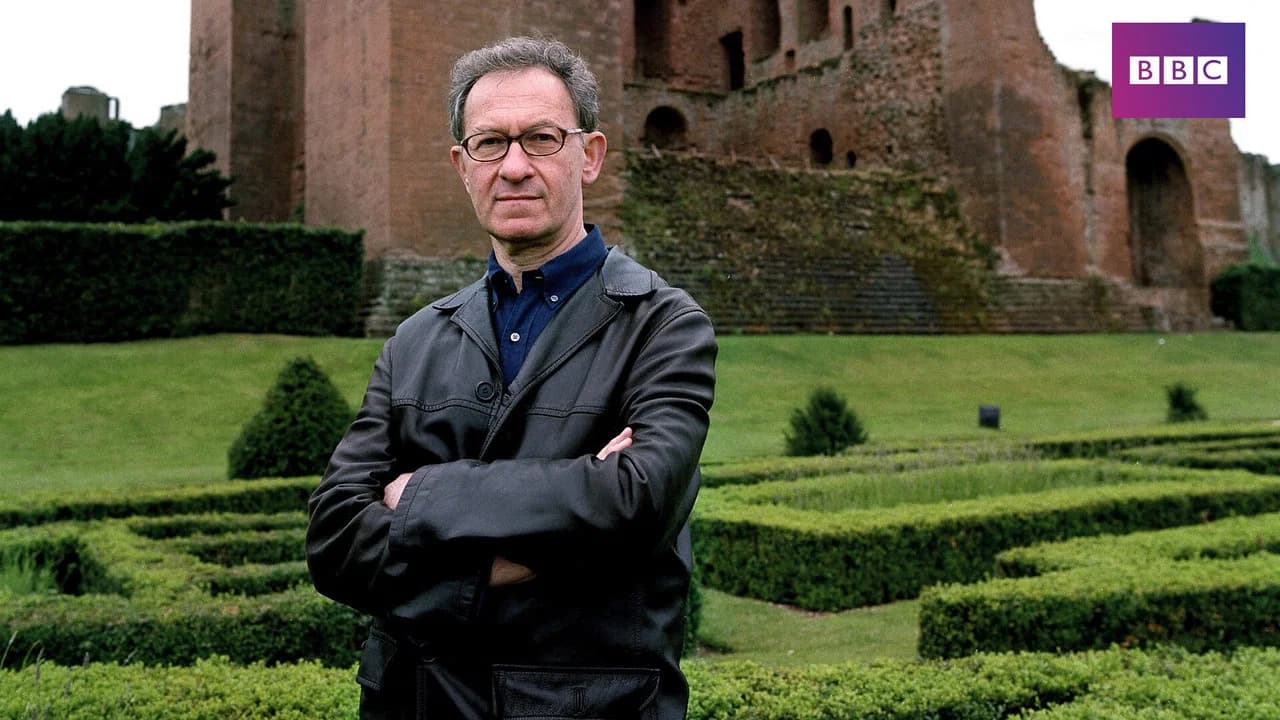
Stretching from the Stone Age to the year 2000, Simon Schama's Complete History of Britain does not pretend to be a definitive chronicle of the turbulent events which buffeted and shaped the British Isles. What Schama does do, however, is tell the story in vivid and gripping…

Simon Schama starts his story in the Stone Age village of Skara Brae, Orkney. Over the next four thousand years Romans, Anglo-Saxons, Vikings and Christian missionaries arrive, fight, settle and leave their mark on what will become the nations of Britain.
1066 is not the best remembered date in British history for nothing. In the space of nine hours whilst the Battle of Hastings raged, everything changed. Anglo-Saxon England became Norman and, for the next 300 years, its fate was decided by dynasties of French rulers.
There is no saga more powerful than that of the warring dynasty - domineering father, beautiful, scheming mother and squabbling, murderous sons and daughters, (particularly the nieces). In the years that followed the Norman Conquest, this was the drama played out on the stage of British history.
Nations is the epic account of how the nations of Britain emerged from under the hammer of England's "Longshanks" King Edward I, with a sense of who and what they were, which endures to this day.
It took only six years for the plague to ravage the British Isles. Its impact was to last for generations. But from the ashes of this trauma an unexpected and unique class of Englishman emerged.
Here Simon Schama charts the upheaval caused as a country renowned for its piety, whose king styled himself Defender of the Faith, turns into one of the most aggressive proponents of the new Protestant faith.
This is the story of two queens - Elizabeth I the consummate politician and Mary Queen of Scots the Catholic mother. It is also the story of the birth of a nation.

Self — Presenter
Reader

Reader

In four chapters, largely based on and illustrated with archaeological finds and sites, Neil Oliver explains how, as far as is known, the Iron Age Celtic tribes known as the Ancient Britains evolved and entered European civilization. Their internecine tribal phase was warlike and partitioned. Overseas contacts, especially metal trade, brought wealth and progress. Ultimately, it attracted the superior Roman empire, which would conquer and pacify Britain into a province, like Gaul shortly before, but Caesar's invasion wasn't the definitive annexation yet, that was left to emperor Claudius; even afterward some Celtic traits and even rebellions remained.

Britain’s rich horticultural history is being lost. More and more front and back gardens are paved over - for development, for parking spaces, or because families don’t have the time or inclination to manage these spaces. The trend for easy-to-maintain lawns, patios and paving has also led to a decline in traditional gardens full of flowers, plants and trees to the extent that some of our most iconic flora and fauna have all but disappeared. Step forward the BBC’s most-loved gardening experts, who are determined to turn us back into a green-fingered nation once again.

On the edge of London stands Hampton Court, one of Britain's biggest palaces and most popular tourist spots, attracting almost a million visitors every year. Spanning 750 acres of grounds, it boasts 1,300 rooms and 23 courtyards...along with a host of secrets and historic stories. This two-part special provides an exclusive and intimate look at life inside the court today for the people keeping Henry VIII's world alive in the modern age, and also explores what life was like in the palace where the private world of the Tudors began.


Dr Xand Van Tulleken and Raksha Dave investigate the Great Smog of 1952 - the deadliest environmental disaster ever recorded and one of the world's worst peacetime catastrophes. Lasting just over four days, the Great Smog plunged London into a terrifyingly murky gloom - the acrid pollution seeping into homes, leaving Londoners gasping for breath, shutting down transport and emergency services, and overwhelming hospitals and undertakers alike.

Time Team is a British television series which has been aired on British Channel 4 from 1994. Created by television producer Tim Taylor and presented by actor Tony Robinson, each episode featured a team of specialists carrying out an archaeological dig over a period of three days, with Robinson explaining the process in layman's terms. This team of specialists changed throughout the series' run, although has consistently included professional archaeologists such as Mick Aston, Carenza Lewis, Francis Pryor and Phil Harding. The sites excavated over the show's run have ranged in date from the Palaeolithic right through to the Second World War.

From cafes to craft fairs, glamping to ghosts, join Dame Penelope Keith as she meets the owners of Britain’s historic country houses struggling to keep their homes intact. Featured properties include Ashby Manor in Northamptonshire, Chillingham Castle in Northumberland, and Mapperton House in Dorset. As these estates turn to innovative ventures to stay afloat, Keith offers insight into the challenges of maintaining these grand homes in 2025. Will their creative solutions be enough to save their history?


The enormous popularity of recent British dramas such as Downton Abbey, Mr. Selfridge, and Sherlock, has led to vast interest in the real-life stories and history of the icons of Great Britain. Each episode of this series visits a famous British building or institution to explore its past and present, meeting a wide range of experts and historians along the way.

Andrew Marr's The Making of Modern Britain is a 2009 BBC documentary television series presented by Andrew Marr that covers the period of British history from the death of Queen Victoria to the end of the Second World War. It was a follow-up to his 2007 series Andrew Marr's History of Modern Britain.