Loading titles…
Drama / War & Politics
Benito Mussolini's early career from his founding of the Fasci Italiani in 1919 up to the assassination of socialist politician Giacomo Matteotti in 1924 and his speech in Parliament on 3 January 1925.


Mussolini had just founded the Fasci di Combattimento when D'Annunzio took Fiume. Mussolini hoped to capitalize on the poet's achievement in the electoral arena.

The elections had decreed an absolute victory for the Socialists. Mussolini seemed finished, but landowners and industrialists sought his help against the strikes.

Upon entering parliament, Mussolini wanted to change: to be more strategic, diplomatic, a true statesman. But the Blackshirts rebelled.

Mussolini wants a new electoral law that would guarantee him an absolute majority. But Don Sturzo, the leader of the Catholics, opposes it.
Mussolini plans a new electoral law that will guarantee him the absolute majority, but he receives backlash from the leader of the Catholics.

Mussolini opens the party lists to turncoat politicians from other political parties. An early fascist leader, Forni, takes a stand against him.

Mussolini wins the elections by a landslide, but Matteotti, a socialist, demands their annulment, denouncing the Blackshirts' violence. Mussolini decides to teach him a lesson.

With the discovery of Matteotti's body and the arrest of his assassins, Mussolini is cornered. Will he be able to save himself and fascism?

Benito Mussolini

Cesare Rossi

Margherita Sarfatti

Rachele Mussolini

Giacomo Matteotti

Emilio De Bono

Dino Grandi
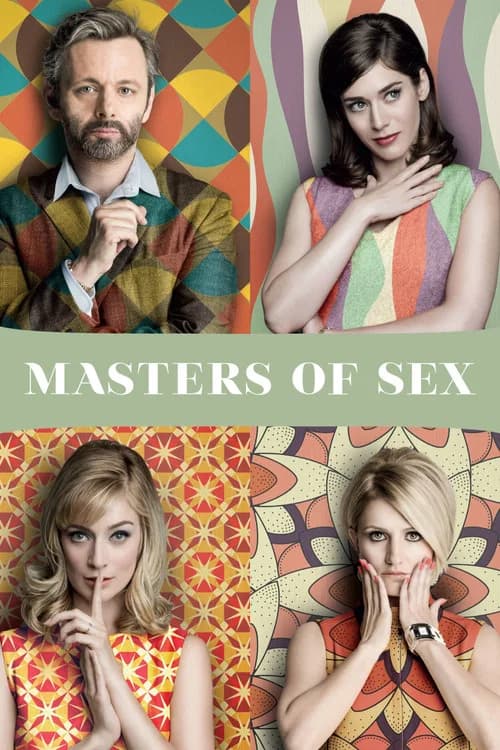
William Masters and Virginia Johnson are real-life pioneers of the science of human sexuality. Their research touched off the sexual revolution and took them from a midwestern teaching hospital to the cover of Time magazine and multiple appearances on Johnny Carson's couch. He is a brilliant scientist out of touch with his own feelings, and she is a single working mother ahead of her time. The series chronicles their unusual lives, romance, and unlikely pop culture trajectory.

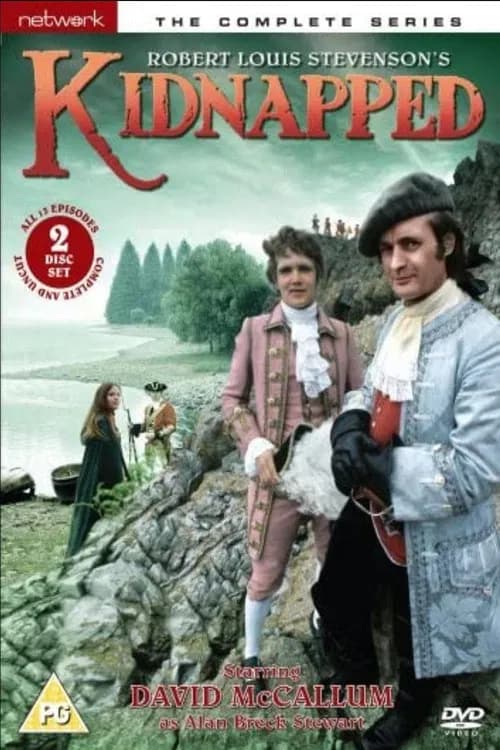
David McCallum stars as the rebellious Alan Breck Stewart, and this ambitious serial (a co-production between HTV and Germany's Tele-Munchen) also features a host of British character actors, including Bill Simpson, Patrick Allen, Andrew Keir, Patrick Magee and Frank Windsor. When young David Balfour arrives at his uncle's bleak Scottish house to claim his inheritance, his relative tries to murder him then has him shipped off to be sold as a slave in the colonies. Luckily for the lad, he strikes up a friendship with Alan Breck Stewart, who is on the run after Bonnie Prince Charlie's defeat at Culloden. When a ship's captain tries to kill Breck for his money, the two manage to get to land and set out for Edinburgh, dodging the ruthless Redcoats along the way.


In a heady tale of revenge and obsession, the outlaw Zastrozzi, assisted by courtesan, Matilda, abducts his half-brother, Verezzi, and torments him into believing his lover, Julia, has been murdered. His campaign of vicious psychological abuse signals a grisly bloodbath of greed, envy, betrayal, retribution, and eternal damnation.


It's the summer of 1907, and cinema is in its infancy. In a northern industrial town two very different movie moguls are battling for the hearts, minds and purses of the local population. Frank Sheringham is an enterprising filmmaker determined to woo audiences away from the local flea-pit run by the villainous Albert Gold. The whole town becomes involved in the vendetta and three local children are at the eye of the storm.

After the Fu family's massacre, only the daughter, Fu Zhaoxue survives, but the evidence points to her former lover, Gu Jingzhou. Returning with a new face as Lin Qianyu, she marries into the Gu family to uncover their secrets, reigniting a forbidden romance with Gu Jingzhou. As truths unfold, love and old grudges resurface, leading to an intense rekindling of feelings.

Carnivàle is an American television series set in the United States during the Great Depression and Dust Bowl. In tracing the lives of two disparate groups of people, its overarching story depicts the battle between good and evil and the struggle between free will and destiny; the storyline mixes Christian theology with gnosticism and Masonic lore, particularly that of the Knights Templar.

Alfredo Rocco

Giovanni Giolitti

Augusto Malacria