Loading titles…
Documentary
The documentary series were made to look back on Korea’s modern history. It tells stories of specific moments in time weaving together relevant video clips from news broadcasts, dramas, shows and other documentaries


On the surface, democratization had been achieved, but there were still many social problems and complaints in Korea near the end of the 1980s. The suppression that had lasted a very long time finally found an outlet in a unique time and space.

The major corporations and financial industry are thought to be the cause of growth in exports and also the danger of the IMF. The realities of the ‘97 Asian Financial Crisis and the IMF bailout are looked into in detail.

Education was our hope. The movement between social classes became an important backbone in the establishment of the state and its industries.

June 29, 1995, 5:57 p.m. One of the most luxurious department stores in Gangnam collapsed. 502 people were killed and 937 were injured in the greatest tragedy since the Korean War. The collapse of the Sampoong Department Store was a national trauma broadcast across the nation for nearly a month.

In 1982, a time when professional baseball had begun in Korea with each region having a team, it was difficult for Gwangju to receive corporation sponsorship. After trials and tribulations, a confectionary company decided to create the Haitai Tigers.

October 27, 1992. In front of a church in Yeonnam, Seoul. A live broadcast is being prepared for domestic and international media. The Rapture Eschatology is the second coming of Christ where only the believers will ascend to heaven. The cult preparing a mass suicide at midnight has family members and police outside the church in a panic.

No synopsis available.
No cast information available.

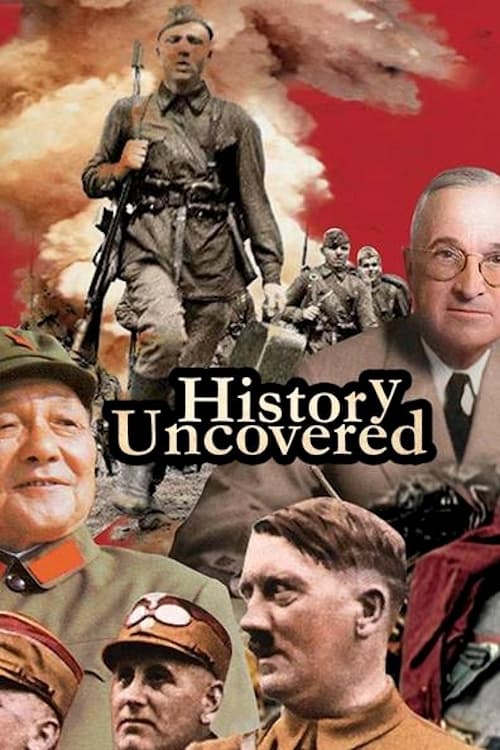
Myths die hard, and the history of the 20th century is no exception to this rule. Even today, we hold popular beliefs that we take for Evangelical truths. Thus, we believe that Hiroshima caused Japan to surrender, that the Marshall Plan saved Europe, that Adolf Hitler was a military genius, or that Mao Zedong was a necessary evil for China’s modernization. Of course, these judgements contain some truth; but, too broad-stroked to be accurate, they contradict the historical reality by denying its complexity. What if the truth was slightly different? Through an exploration of great national or international myths, this full archive documentary collection revisits the key moments of the 20th century with a new perspective in order to provide a new, smarter and more subtle interpretation, bringing elements to light that have been forgotten or sometimes overshadowed.

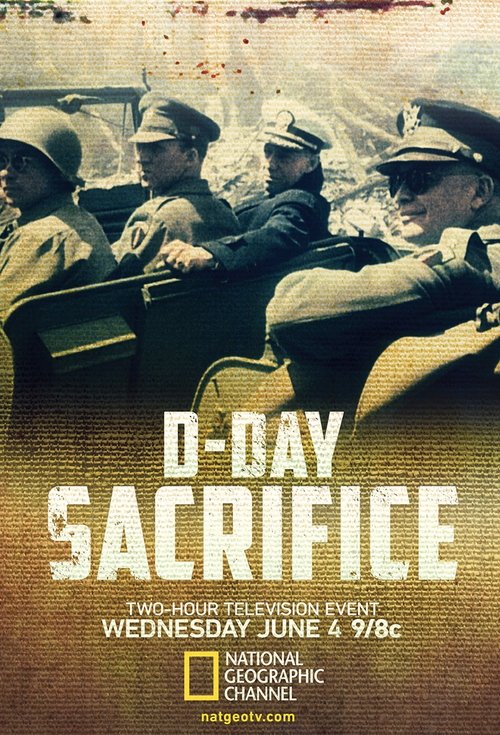
Comprised entirely of re-mastered and colorised archive footage from World War II, much of it never before seen, Sacrifice recounts the story of D-Day through the testimonies of those who lived it. These important historical days are seen through the eyes of French civilians and members of the military fighting on both sides. The testimonies of famous individuals like Dwight D. Eisenhower and Erwin Rommel are intertwined with those of anonymous soldiers and citizens, such as film director Samuel Fuller and Eisenhower's chauffeur, Kay Summersby. From the preparations for D-Day all the way through to the liberation of Paris, the accounts of these men and women provide a moving and invaluable retelling of this pivotal time in history.
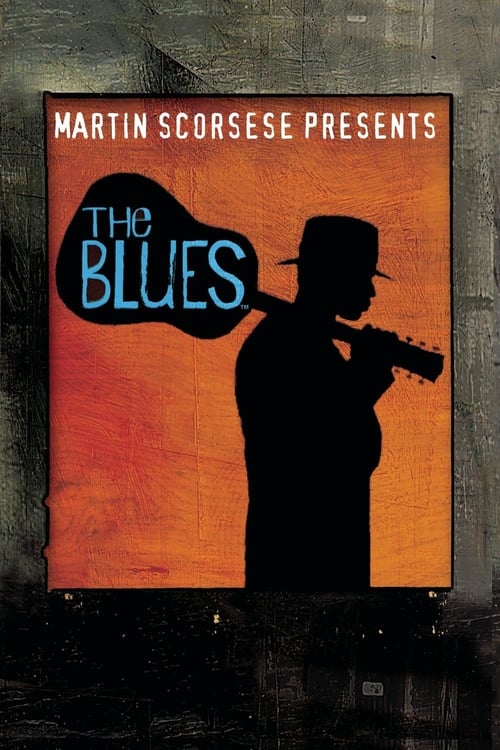
The Blues (2003) is a seven-part documentary series produced by Martin Scorsese that explores the history and influence of blues music. Each episode, directed by a different filmmaker, traces a unique aspect of the genre’s evolution—from its African roots to its global impact. Originally airing on PBS, the series includes Scorsese’s Feel Like Going Home, Wim Wenders’ The Soul of a Man, Richard Pearce’s The Road to Memphis, Charles Burnett’s Warming by the Devil’s Fire, Marc Levin’s Godfathers and Sons, Mike Figgis’ Red, White and Blues, and Clint Eastwood’s Piano Blues.