



Loading titles…
Narrator (voice)


Claude Monet was an avid horticulturist and arguably the most important painter of gardens in the history of art, but he was not alone. Great artists like Van Gogh, Bonnard, Sorolla, Sargent, Pissarro and Matisse all saw the garden as a powerful subject for their art. These great artists, along with many other famous names, feature in an innovative and extensive exhibition from The Royal Academy of Arts, London.

Evan, a filmmaker from Mississippi, catches feelings for a gal he meets at a found footage film festival in San Francisco. They decide to make a movie together, exploring the haunted landscapes of Evan’s family history in the swamplands of Florida. Old wounds are reopened and generational trauma reveals itself to be perhaps the scariest part of this attempted mockumentary that ends up being a little too real.
A portrait of one of Brazil’s greatest actresses, centered on the one thing inseparable from her identity: her craft. The documentary follows Fernanda Montenegro through her most recent work while looking back at the past to trace the making of a great actress over the course of her career. Directed by Pedro Waddington, son of filmmaker Andrucha Waddington—Fernanda’s son-in-law—the film embraces their family relationship as part of its narrative, capturing intimate moments with the actress backstage and unveiling previously unseen footage of projects made together as a family.
A 45 minute account of the life of a humble logger, named Vince Shute, who made one decision that would ultimately affect the black bear and the attitudes that people have of this often misunderstood animal. This short film goes into great detail about the history of The American Bear Association and the formation of the Vince Shute Wildlife Sanctuary.

Marzena Sowa is a quintessential contemporary European: independent, aware of how the world works—or should work—and single. After her mother’s death, she is consumed by longing and sets off for her distant homeland, a Polish village where her beloved aunt Niuszka—an embodiment of joie de vivre and peace with herself—lived her entire life under the heavy weight of patriarchy. The film becomes a collision of social models, resolved with an open ending.
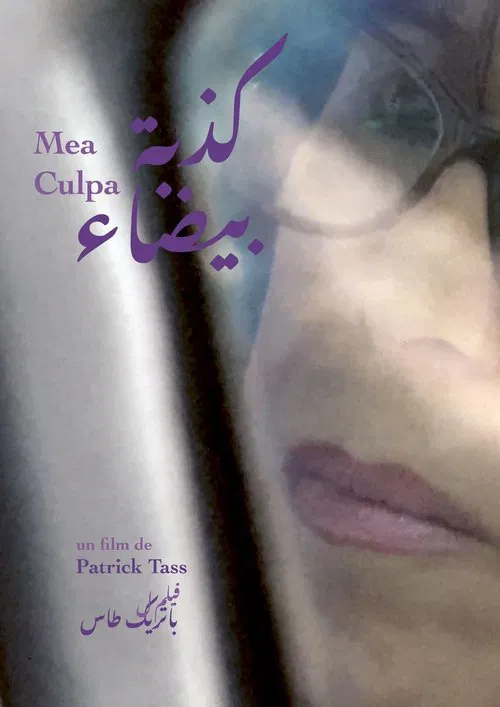
Lies and guilt are at the core of Patrick’s relationship with his mother Randa. Over the years, he has collected their audio messages and video calls, transforming them into a portrait of her life in Lebanon and his own in Belgium. This very intimate yet social piece reveals a complex relationship marked by the distance between the two characters and shows what one may experience as a homosexual migrant. By turns moving, provocative, and hilarious, Mea Culpa questions the links between national and sexual identities for a young Palestinian migrant.
