Loading titles…
Documentary
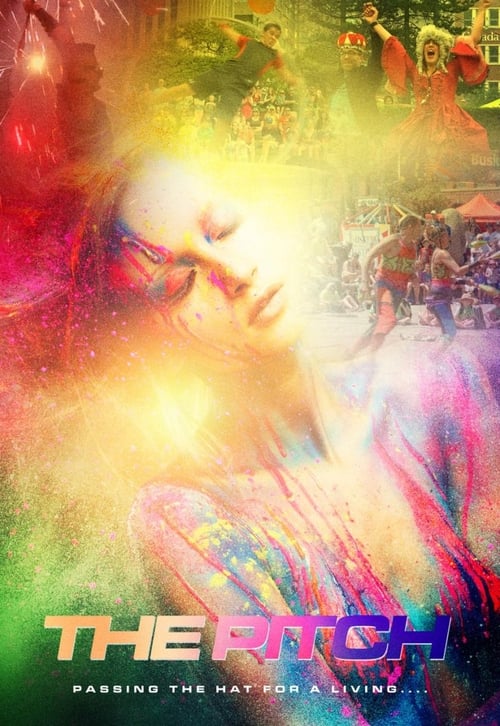
What is a street theater? How is it organized, and what is the life of its actors? The first part of the documentary is entirely dedicated to the team. In the film, you'll meet the comedians: Daniil, Zhenya, Natasha, Pasha, Nastya, and Lesha — the current troupe of Russia's…
Herself
Herself
Herself
Himself
Himself
Himself
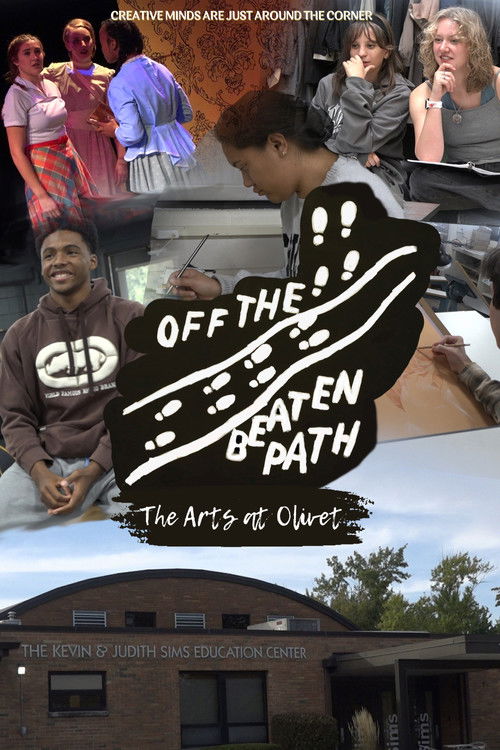
At Olivet, some students don’t meander past the Dairy Queen near the stoplight..but those who make the trek to the Sims Building are creative minds who are bursting with ideas. Purpose Productions presents a film that leads you through a journey of inspiration, color, and heart. All you have to do is go off the beaten path.
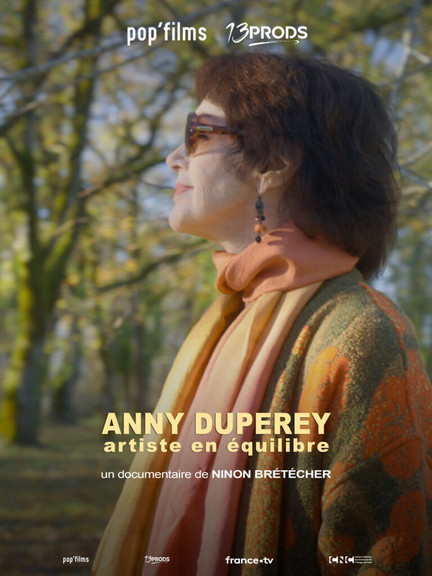
A popular actress, Anny Duperey lived a precarious life for many years until she found a place to settle down in Creuse. It is there that she keeps her photos, writes, and recharges her batteries. In this portrait, she breaks with convention by playing with her image and openly questioning the desires of an actress as her career is revisited.
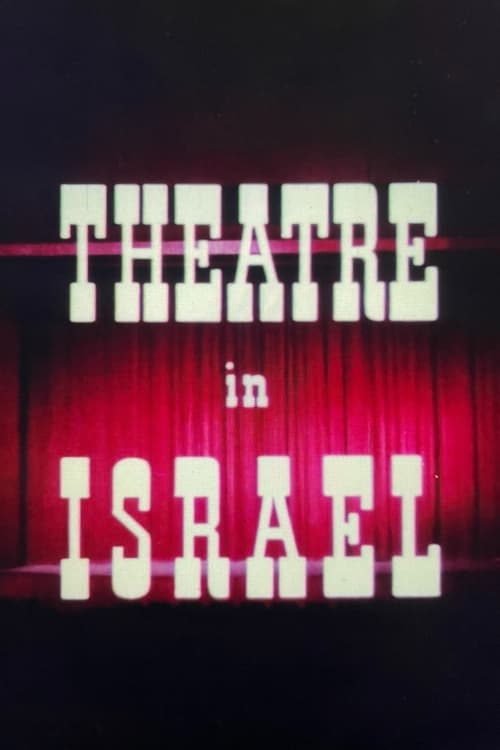
An English-speaking film produced on behalf of the Israeli Center of the International Theater Institute, providing international audience with an overview of modern Israeli theater, including scenes of renowned Israeli theater productions from the theater season of 1967. The film opens with excerpts from “The Dybbuk” at Habima Theater, and includes scenes from the successful musicals of the Cameri Theater “Utz Li Gutz Li” (Rumpelstiltskin) and “King Solomon and Shalmai The Shoemaker”. Other excerpts include scenes from the plays “The American Princess” by Nissim Aloni at the Seasons Theater, “He Walked Through the Fields” by Moshe Shamir at the Haifa Theater, Ibsen’s “Hedda Gabler”, “Who’s Afraid of Virginia Wolf”, and more.
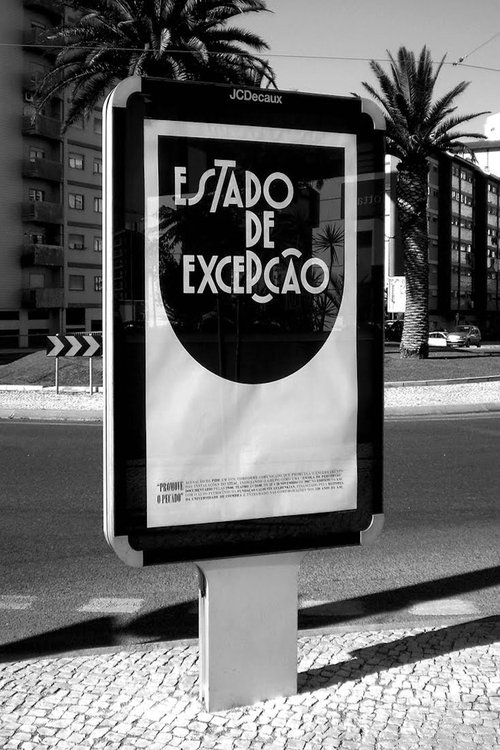
Estado de Excepção is a documentary about CITAC (Coimbra Theater Initiation Circle), a university theater group, revealing history since it was constituted in 1956 until the aftermath of the 1974 revolution. It is the history of the theater group university and, through it, the history of theater in Portugal, revealing two remarkable decades of the History of Portugal. Through the Academy of Coimbra, the documentary reproduces student life, the position of women in society, and the change in mentalities of being and being in the world. It reproduces the existing censorship and the fight against the dictatorship, the resistance to an exhausted regime, as well as the emerging contradictions of the democratic revolution. CITAC has a heritage of 50 years of experience in Coimbra. It carries with it the possibility of the theatrical and civic formation of thinking bodies, constituting a proper ball of a possible model, generation by generation, between studies, theater, and social drama.
Historic theaters capture the imagination with interesting architecture, lighting, and decorative lobbies. Award-winning videographer/ historian Darrell Jabin toured dozens of theaters, researched opera houses, vaudeville, movie palaces, and neighborhood theaters, and interviewed historians, theater owners and executive directors of community theaters to create a short film covering a unique part of Oregon history.
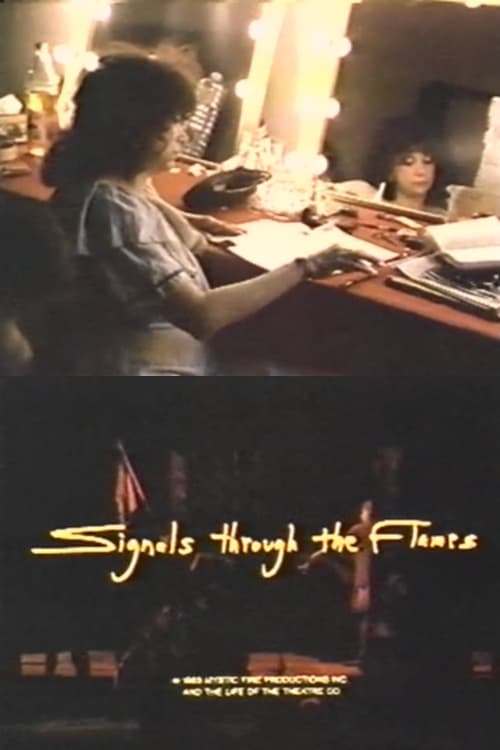
Signals Through the Flames is at once a history and a celebration of the Living Theatre. Founded in the late 1940s by husband-and-wife performers Julian Beck and Judith Malina, the Living Theatre was for many years the predominent American outlet for the avant-garde movement. There were occasional self-imposed exiles to Europe in the 1950s and 1960s, but the group returned full-force during the Aquarius Age to entertain a new generation of theatregoers.
From PBS - With unprecedented access, The Shaw Festival: Behind the Curtain captures the unique creative process of one of North America's longest running, most distinctive and exciting theatre experiences. Each year between April and October, the Shaw Festival--which began in 1962 with the mandate on works by George Bernard Shaw--presents around 10 plays on four stages that attract patrons from all over the world. Located in Niagara-on-the-Lake, Ontario, Canada--the Shaw's one-of-a-kind schedule has actors and directors working on several plays at once. Over eight months, crews design and build sets on a finely honed schedule that is both frenetic, creative, and amazingly well planned and executed. Follow the process of getting the play from the page to the stage as The Shaw Festival: Behind the Curtain provides insight into every aspect of production at a summer theatre festival.