John Myatt
John Myatt
Narrator
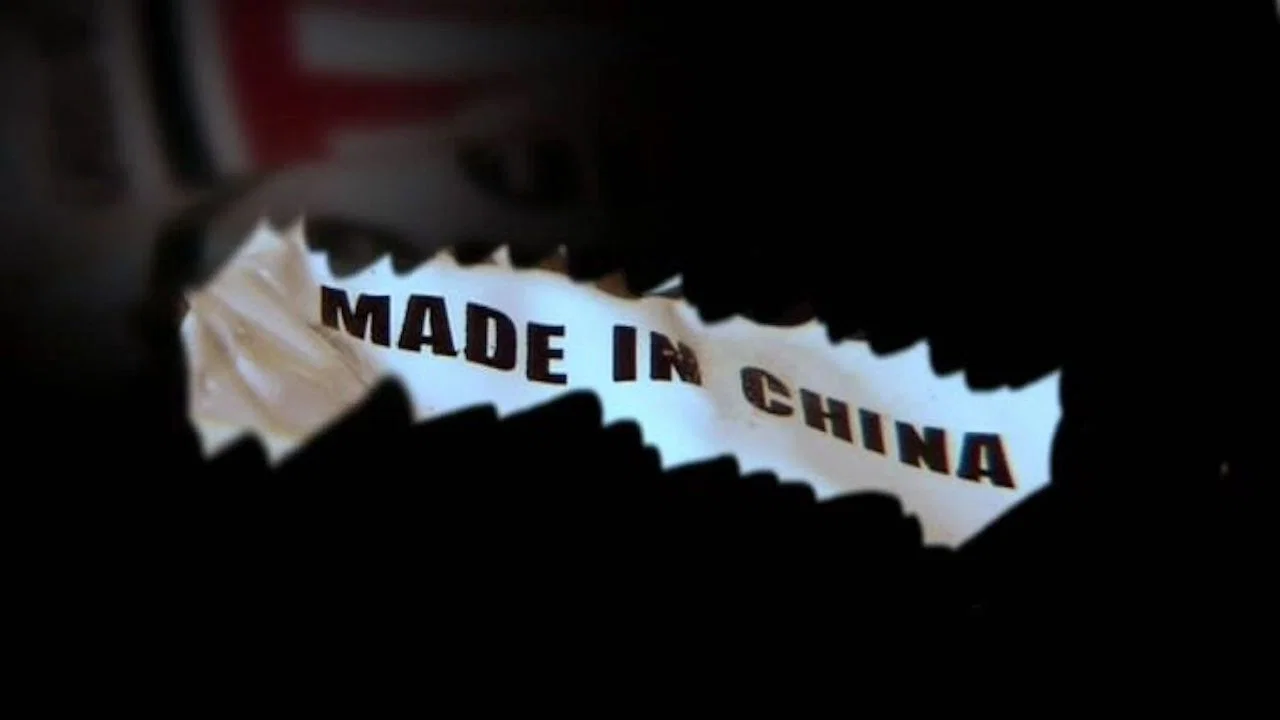
Imagine buying the works of true masters, like Renoir, Da Vinci, Van Gogh, Rembrant, Matisse and Raphael for just thirty US dollars! Welcome to the most prolific copy artists in China. The Dafen Village, in southern China, is best described as the oil painting copy capital of…
Narrator


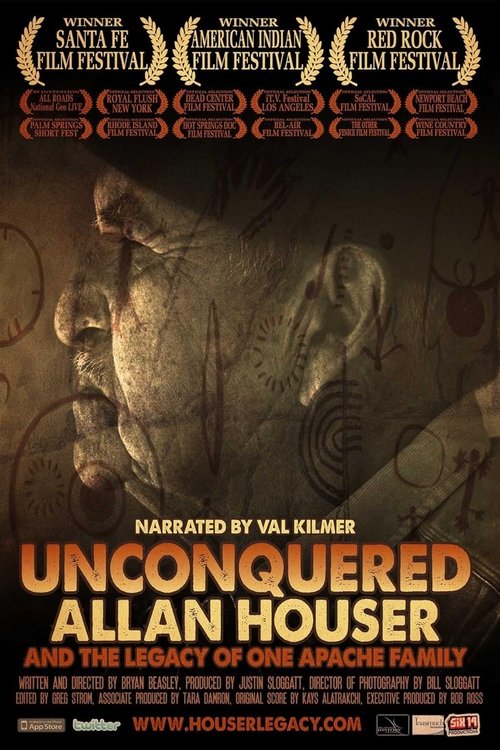
In decades past, Native American artists who wanted to sell to mainstream collectors had little choice but to create predictable, Hollywood-style western scenes. Then came a generation of painters and sculptors led by Allan Houser (or Haozous), a Chiricahua Apache artist with no interest in stereotyped imagery and a belief that his own rich heritage was compatible with modernist ideas and techniques. Narrated by actor Val Kilmer and originally commissioned as part of an exhibit of Houser’s work at the Oklahoma History Center, this program depicts the artist’s tribal ancestry, his rise to regional and national acclaim, and the continuing success of his sons as they expand upon and depart from their father’s achievements. Key works are documented, as is Houser’s tenure at the Santa Fe–based Institute of American Indian Arts.
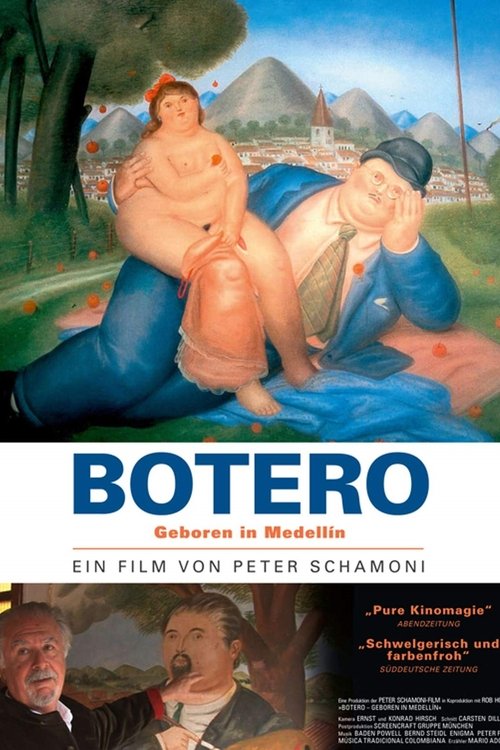
To mark the artist Fernando Botero's 75th birthday, Peter Schamoni made a documentary film about his moving life. Fernando Botero is immediately recognizable by his colourful and exuberant works. Schamoni convinces us that, behind the cliché of the naïve, Fernando Botero is an artist who also devotes himself to serious and profound themes. Schamoni not only accompanies Botero to Tuscany, where he creates his sculptures, and to his Parisian painter's studio. The film also takes us on a journey to Colombia, where Schamoni lets the viewer take part in the world in which the artist lives and works, in the highs and lows of his life.

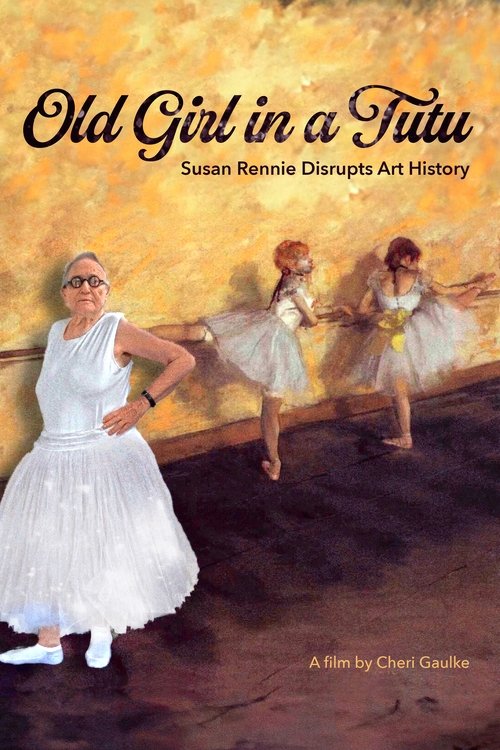
When Susan Rennie retired from academia, she returned to her first love – photography. With humor and wit, Rennie’s photographic interventions offer a feminist critique of the conventional canon of art history, and an unabashed embrace of her elder, queer identity. The results are juicy, eye-opening, and often hilarious.
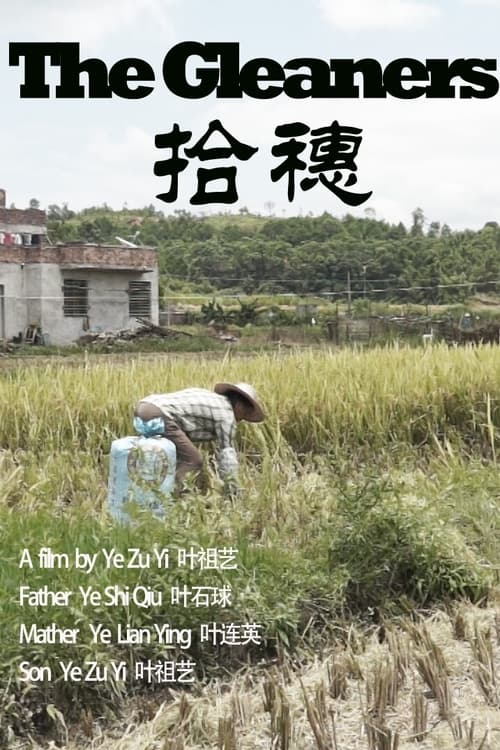
A coming-of-age story about a filmmaker and his family as they struggle to adapt to both a changing world and a traditional one. Can the filmmaker's family accept that he is more interested choosing to document a famine that happened 50 years ago than choosing a wife? Will the family continue to farm their land and grow rice as they always have or sell it to developers? How can they adapt to life in modern China when the country itself is in the midst of identity crisis? The film explores these topics and more in a refreshingly original style that bridges the gap between documentary and narrative feature while providing a delightfully intimate portal into family life in modern China.