Mario Adorf
Narrator
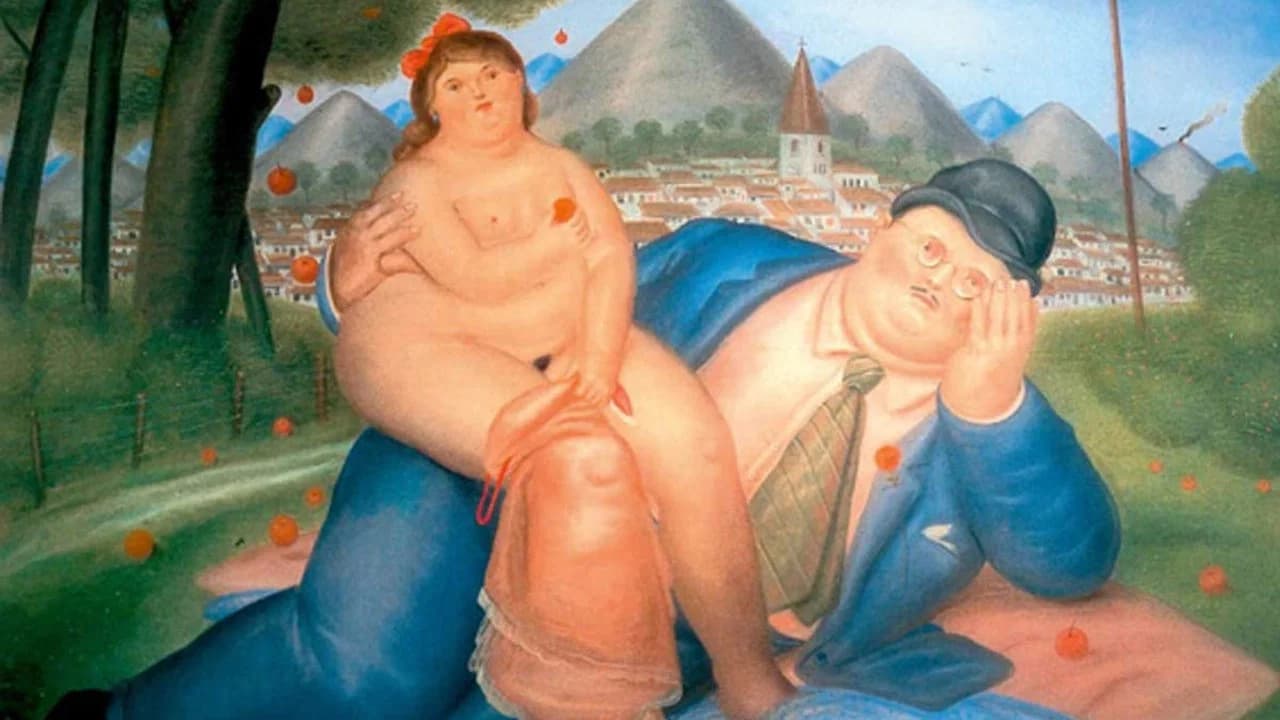
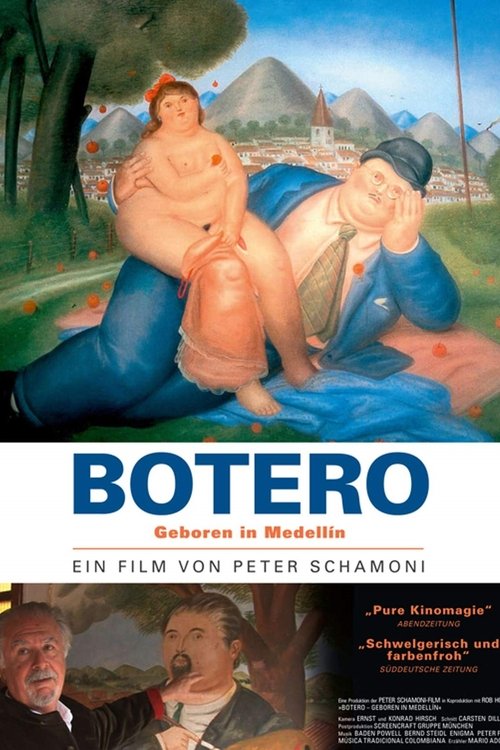
To mark the artist Fernando Botero's 75th birthday, Peter Schamoni made a documentary film about his moving life. Fernando Botero is immediately recognizable by his colourful and exuberant works. Schamoni convinces us that, behind the cliché of the naïve, Fernando Botero is an…
Narrator
Self
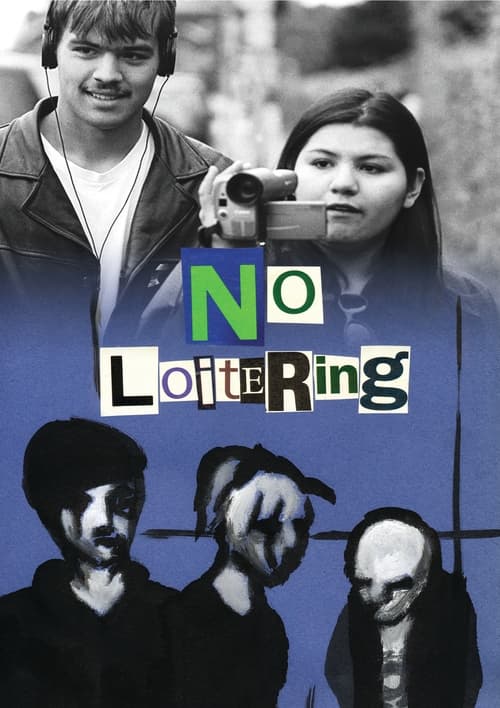
An intimate portrait of teenagers trying to understand their world and their possibilities. The film weaves together video shot by teens and by the filmmaker, as they work together to make a film and create expressive outlets for youth in the community. They organize dances and community events and paint a mural. At the same time, with humor and pathos, these young people raise issues around violence, feeling misunderstood by adults and lacking respect in their community. Set in the small town of Sitka, Alaska, home to a large Alaska Native population, the video chronicles their creativity, concerns and dreams.
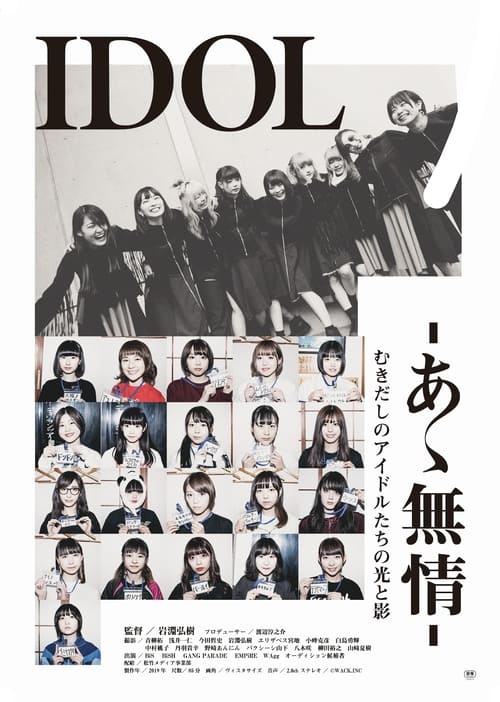
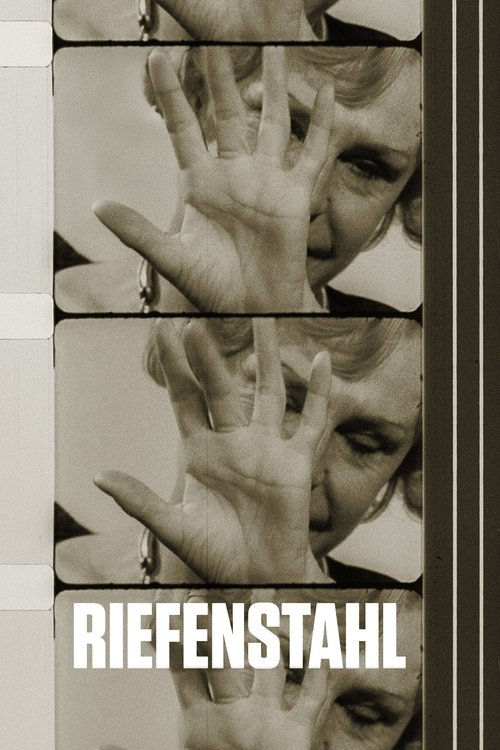

Golek Garwo is a matchmaking forum, held monthly vis-a-vis in Yogyakarta. Basri (62), a worker who longed for love and one out of hundreds of participants of the event, falls for Musiyem (56), who is also a participant. They then decide to join a mass wedding, but Basri’s wish for a life together turns out differently in reality.

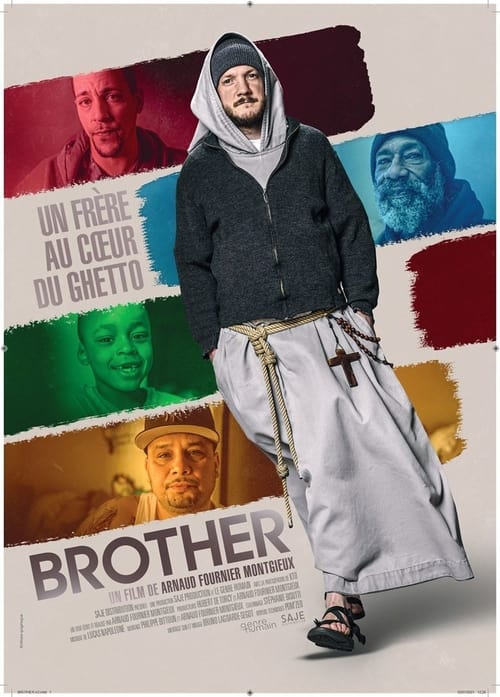
Imagine buying the works of true masters, like Renoir, Da Vinci, Van Gogh, Rembrant, Matisse and Raphael for just thirty US dollars! Welcome to the most prolific copy artists in China. The Dafen Village, in southern China, is best described as the oil painting copy capital of the world. It’s here where the masterpiece meets the mass market, where the world's great and not-so-great oil paintings are copied. Thousands of artists turn out reproductions of famed European masterpieces, and the not so famous, for homes and businesses around the world. Last year, Dafen generated about US$35 million in sales. Thousands of painters supply 600 galleries that fill orders from around the world. This documentary talks to the copy-artists to find out what in the name of art, is going on.
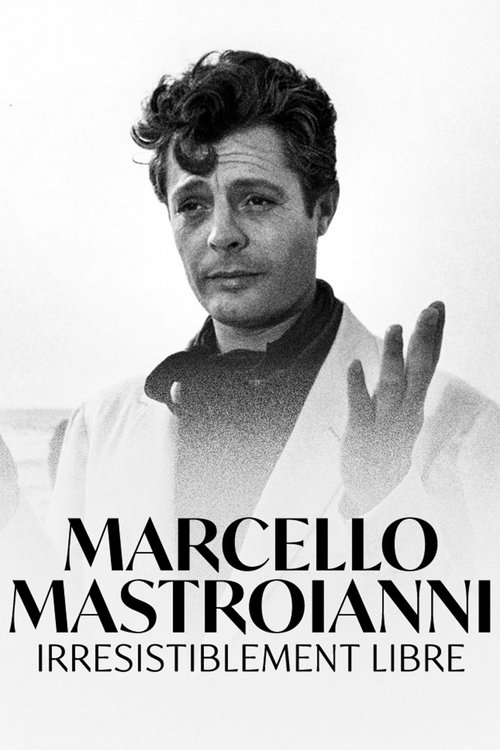
The 1960s opened with La Dolce Vita by Federico Fellini and its unforgettable lead: Marcello Mastroianni. The actor seemed to glide effortlessly through his roles — and through life — as if to say that life is not all that serious, or perhaps that it is far too serious not to be laughed at. But what kind of man was hiding behind the actor with the handsome, boyish looks, who appeared so gentle and nonchalant?