
Loading titles…
Documentary
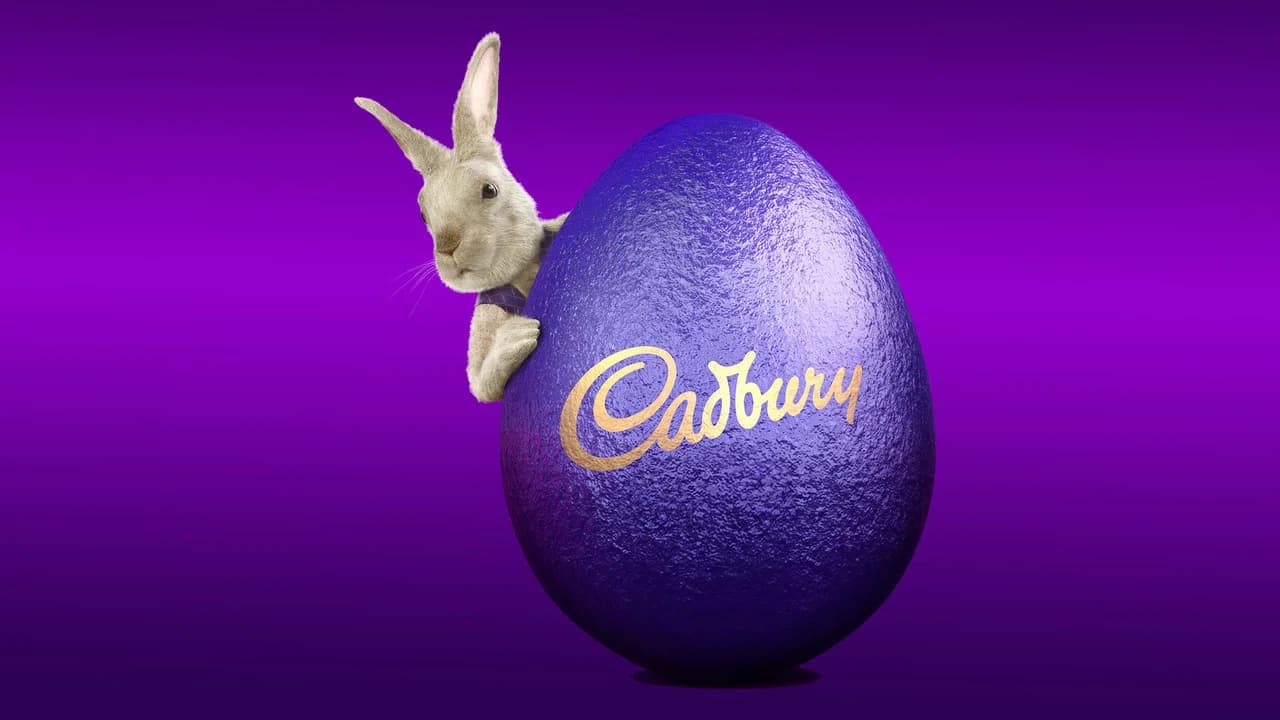
The Chocolate Factory takes viewers from the sugarcane fields of Queensland to a dairy farm in Tasmania before revealing the slow journey of millions of Easter eggs and bunnies inside the Cadbury factories in Hobart and Melbourne.
No cast information available.

Behind the scenes at the confectionery company's base in Bournville near Birmingham as staff gear up for the festive season, hitting the factory floor to discover how popular treats Roses are made, with the focus on the creation of the hazelnut in caramel. Historians and Cadbury insiders tell the story of how Cadbury first turned Britain on to festive chocolate, while Santa and his team prepare for the rush at Cadbury World.
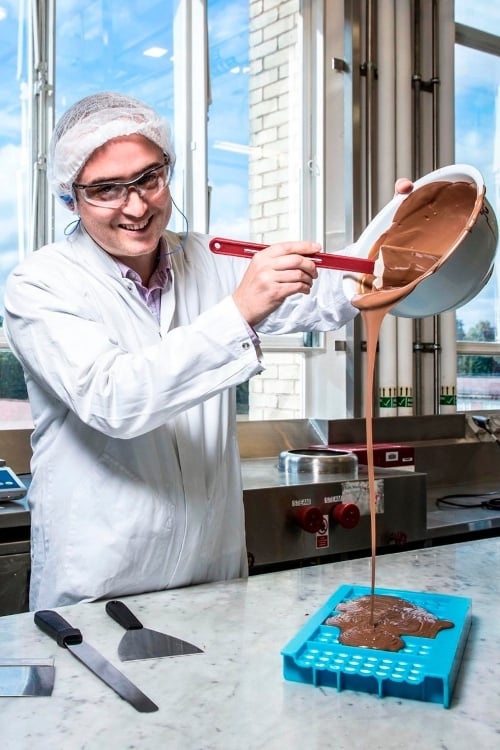
This one-off documentary goes deep inside the Willie Wonka world of Cadbury, Britain's biggest and best-loved chocolate maker. Behind closed doors at the famous Bournville plant, a team of dedicated scientists struggle to meet the biggest challenge the company's faced for a century - to dramatically cut sugar from their Dairy Milk recipe. Meanwhile, the firm's Easter Creme Egg campaign finds Cadbury agents 'reverse shoplifting' as they hide prize-winning white eggs around the country. Elsewhere in the factory new flavours of chocolate are put into production, with wacky recipes invented by lucky members of the public.

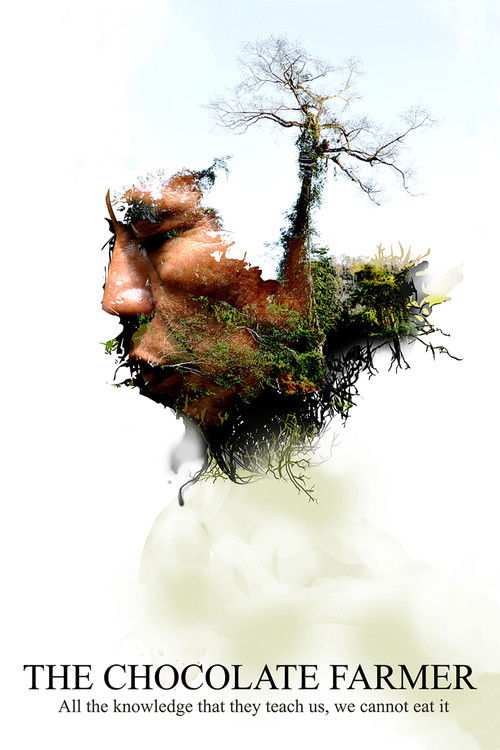
For ancient Mayans, cocoa was as good as gold. For subsistence farmer Eladio Pop, his cocoa crops are the only riches he has to support his wife and 15 children. As he wields his machete with ease, slicing a path to his cocoa trees, the small jungle plot he cultivates in southern Belize remains pristine and wild. His dreams for his children to inherit the land and the traditions of their Mayan ancestors present a familiar challenge. The kids feel their father's philosophies don't fit into a global economy, so they're charting their own course. Rohan Fernando's direction tenderly displays a generational shift, causalities of progress in modern times and a man valiantly protecting an endangered culture. Breathtaking vistas of lush rainforests contrast with the urban dystopia that pulled Pops children away from him. Will one child return to carry on a waning way of life
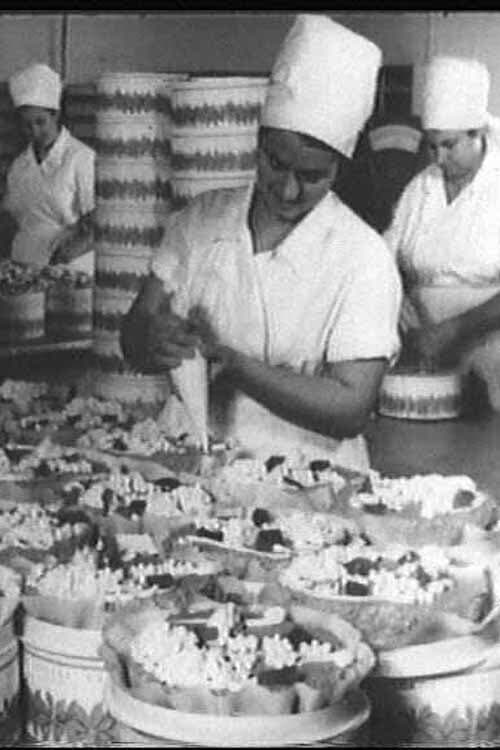
Charlie Marx and the Chocolate Factory started as an investigation of the link between politics and chocolate, at the Karl Marx Confectionary Factory in Kiev, Ukraine. Since access to the factory was denied, the project had to be re-considered, re-invented or re-enacted. Mostly made of archival footage and re-enacted performances based on the company's website, the film merges what was left of the initial idea with what has been collected and realized instead. It borrows from the genres of video art, 'Man on the street' interview, direct address, corporate film, essay, and music video, without legitimately belonging to any of them. The film unravels as a reflection on its own failure, and yet keeps on investigating what has always been at stake: the shift from public to private property (and from analog to digital technology), dialectics of permanence and change, language as a mirror of ideology, and post-Soviet oligarchy culture.
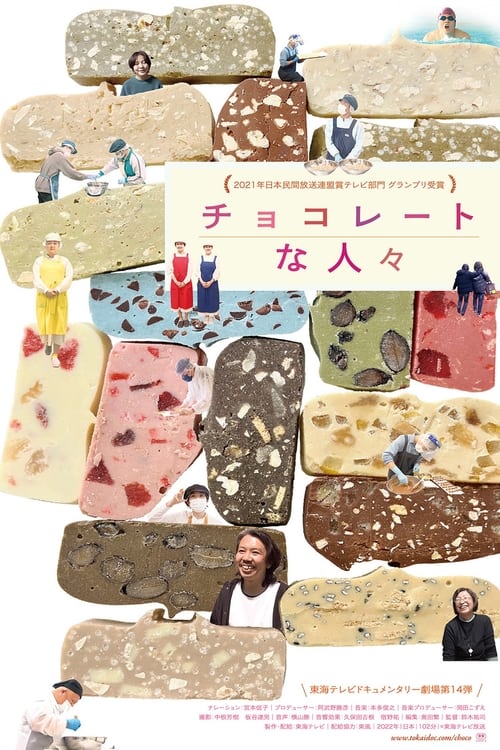
In Toyohashi City, Aichi Prefecture, “QUON CHOCOLATE” is gaining popularity for its carefully selected flavors and colorful designs. This brand, which now has 52 locations nationwide, has continued to offer a creative workplace to people of many diverse backgrounds, including those with mental or physical disabilities, single parents, those who have never attended school, to sexual minorities, and many others. This film depicts the tumultuous 19 years of the chocolate brand’s pursuit of ideals. The newest work of the producer of the documentary “Life is Fruity.”