Loading titles…
Documentary
In September 2004, Himzo Muratovic returned from the dead. Himzo turned up in a taxi in his Bosnian Muslim village, 12 years after he disappeared at the height of the Serb terror. His mother fell unconscious when neighbors told her that her missing son had returned. For several…

No cast information available.
A hotel in the centre of town is a war-time home and refuge for many of Sarajevo's homeless people. Every morning they leave the hotel and wander around the destroyed city gathering again at the defunct hotel in the afternoon. This film follows their separate fates through the bitter comparing of images of the bums with those of dogs abandoned by their owners and now left et the mercy of the war ravaged streets of Sarajevo.
The carnage in Sarajevo provides the focus of this French documentary which seeks to call attention to the terrible conflict in the hopes of finally ending it. The film is divided into five parts. Each part covers a time frame ranging from April 4, 1992, the beginning of the war, to the present. The major issues that occur are three-fold. It depicts the systematic genocide of Bosnians, the silence of Western countries, and the determination of the Bosnians to resist. They refuse to be seen as victims, even though the filmmakers portray them so. Also included are the origins and political aspects of the war. It offers interviews with participants. It also reveals how the U.S. State Department censored reports about Serbian death camps.
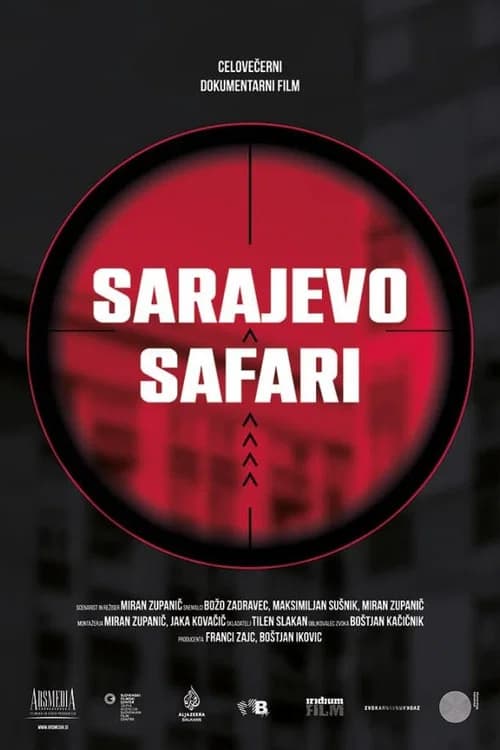
Among the many dramatic episodes of the siege of Sarajevo in the years 1992 to 1996, the story of a human safari has remained concealed from the public eye. Few people knew that those fighting the war on the Serbian side were not only the Bosnian Serb Army, volunteers and mercenaries but also a small, clandestine group: wealthy foreigners who paid high fees for the chance to shoot at the residents of the city under siege.


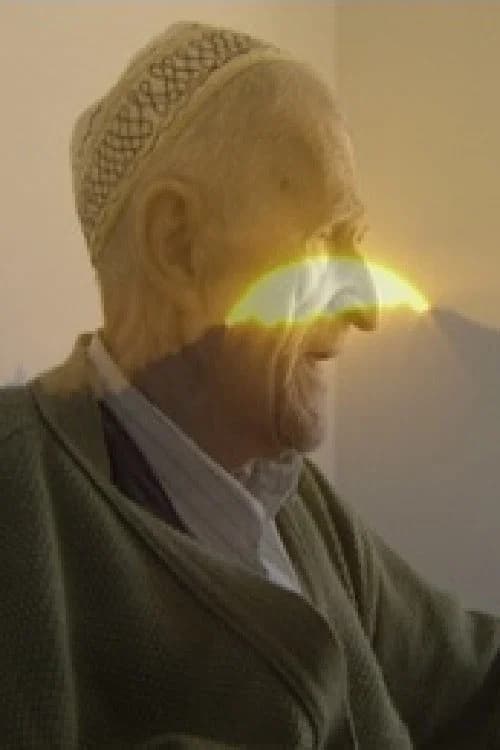
Hamdija Šahinpašić (1914-2003) was one of those rare individuals able to memorize songs in their authentic traditional form. Šahinpašić belonged to a family known for its songs. In the early 1950's, Miodrag A. Vasiljević recorded Šahinpašić singing dozen of songs at the Serbian Academy of Arts and Sciences in Belgrade. A 1967 publication finally included 300 of his songs, published bilingually in Bosnian and Russian. Šahinpašić himself become the focus of attention of numerous ethnomusicologists and folklorists and his repertoire was preserved on recording of good quality.
Documentary which tells the story of a group of men and women who risked their lives to rescue a library - and preserve a nation's history - in the midst of the Bosnian war. Amid bullets and bombs and under fire from shells and snipers, this handful of passionate book-lovers safeguarded more than 10,000 unique, hand-written Islamic books and manuscripts - the most important texts held by Sarajevo's last surviving library.
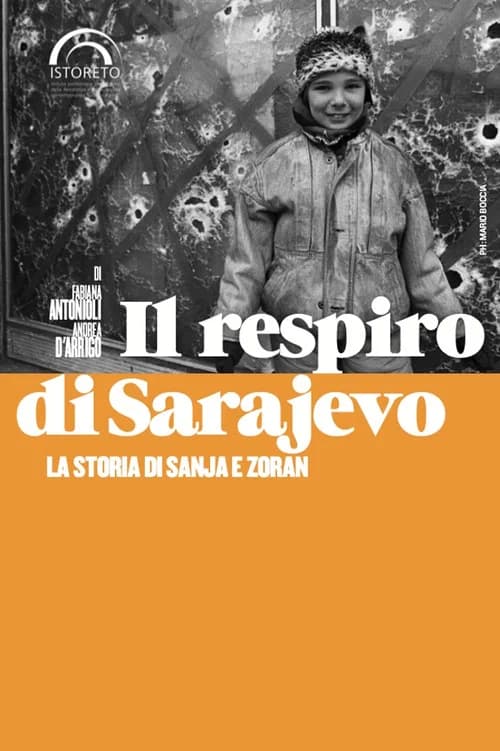
The extraordinary story of Sanja and Zoran, a couple who in 1993 fled and survived the siege of Sarajevo, the longest war in 20th century history, to find refuge in Italy, in Turin. In their life experience, past and present come together to give voice to friendship and hope, reflecting on war, prejudice, tolerance and acceptance.
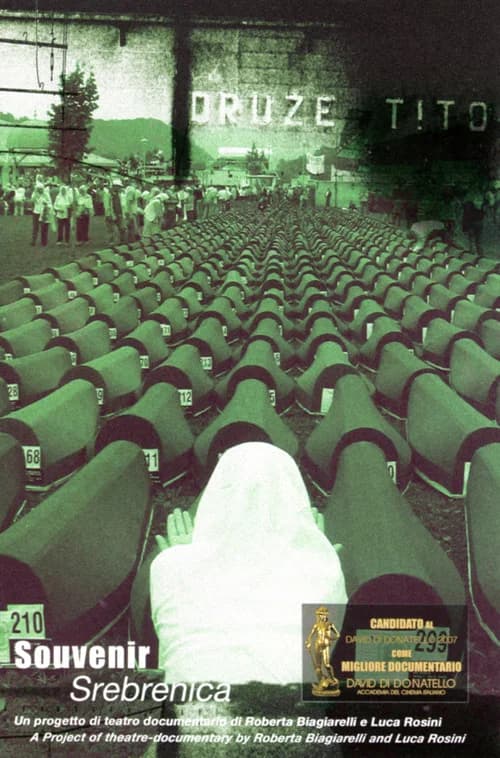
On 11th of July 1995, the most mortifying crimes after World War II in Europe destroyed the Bosnian town of Srébrenica. Shootings and deportations beyondimagination were preceded by a betrayal of humaity: while 40,000 civilians were looking into the sky of Srébrenica, waiting for a sign from the international community, guaranteeing their protection, the headquarters of the United Nations decided to surrender. The betrayal kill 8,372 men, women and children. Sky above Srebrenica (101 minutes) is based on protocols of the secret crisis meetings of the UN headquarters. In a unique way never before released original material of the consequences is shown next to those who are responsible for these.