Loading titles…
Documentary
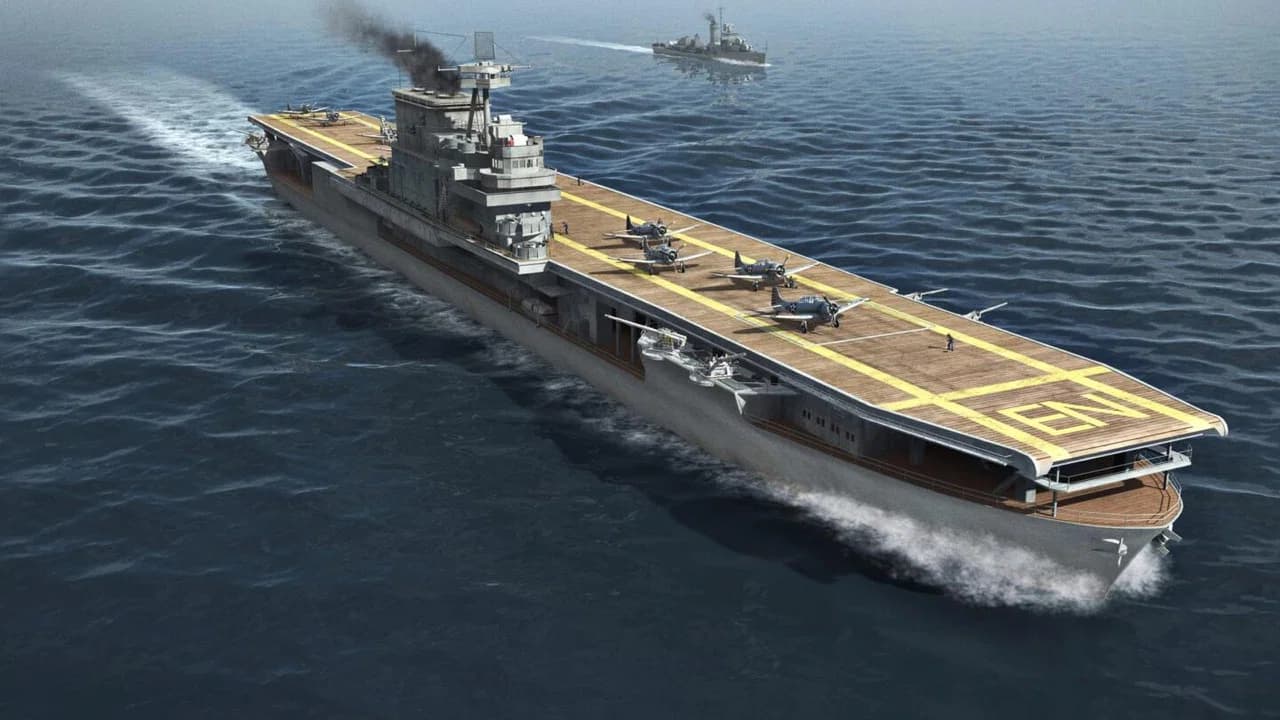
Battle 360°, also written as Battle 360, is an American documentary television series that originally aired from February 29 to May 2, 2008 on History. The program focuses on the World War II-era aircraft carrier USS Enterprise.The series consists of ten episodes.
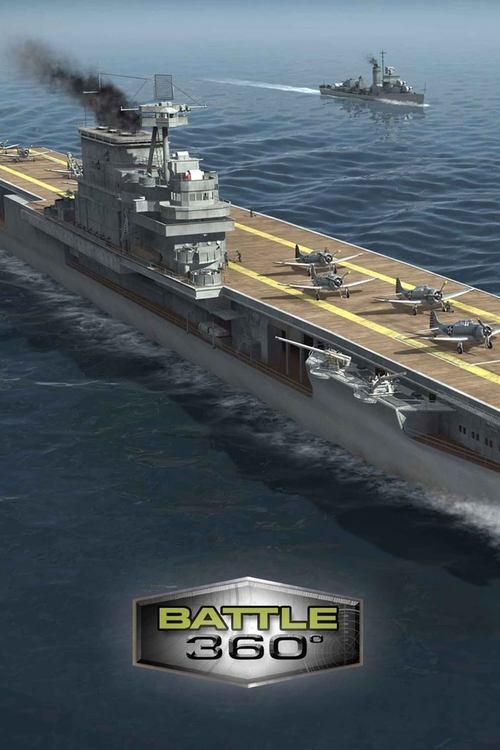
The Attack on Pearl Harbor, the entry of the United States into World War II, the Marshall Islands Raid, and the Doolittle Raid.
The Battle of Midway.
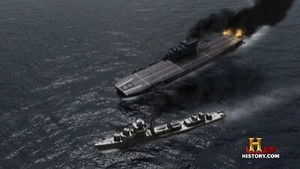
The Solomon Islands campaign and the beginning of the battle for Guadalcanal. Enterprise also receives a baptism of fire in the Battle of the Eastern Solomons.
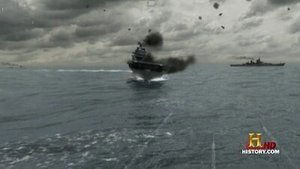
Recalling the Battle of the Santa Cruz Islands in October 1942 when Enterprise lost her sister ship, the USS Hornet, which was hit by torpedoes and fighter bombs.
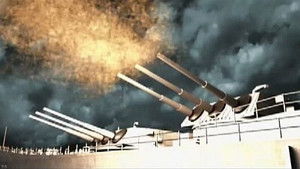
Fighting in the Naval Battle of Guadalcanal as the only American aircraft carrier active in the Pacific theater of war.
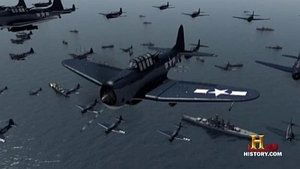
The refitting and repair of Enterprise, and the battle for the Gilbert Islands.
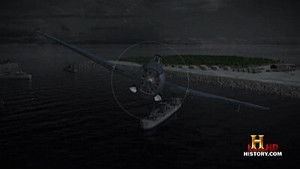
Assaulting Truk Lagoon as part of Operation Hailstone, including the first night radar bombing attack from a U.S. carrier.
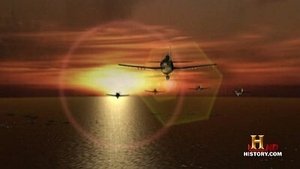
The Battle of the Philippine Sea, the largest aircraft carrier battle in history, and Enterprise's participation in the Saipan Campaign.
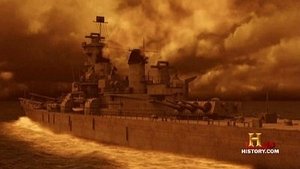
The Battle of Leyte Gulf, the largest naval battle of World War II, and the Philippines Campaign of 1944–1945.
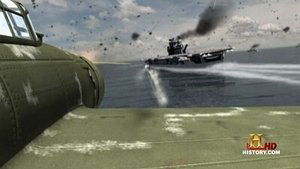
The battles of Iwo Jima and Okinawa, night sorties, attacks by kamikazes, the end of World War II, and the legacy of Enterprise.
Self
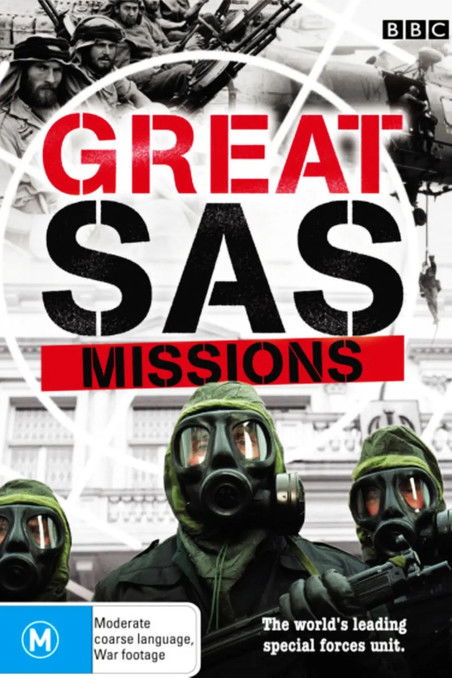
Over the past 60 years Britain's Special Air Service regiment has carried out a wide variety of clandestine missions - from deep-penetration raiding to hostage release operations - which have made it respected and feared for its professionalism and daring. The SAS prides itself on doing its work in the shadows, never allowing any publicity and never claiming credit for any of its extraordinary achievements. But, over the years, sufficient information has emerged for a picture of the regiment's exploits to be clear. This series uses interviews with former members of the SAS; detailed and painstaking reconstructions; and cutting edge 3-D graphics to recreate seven great missions which show why the SAS is today regarded as the world's leading special forces unit.
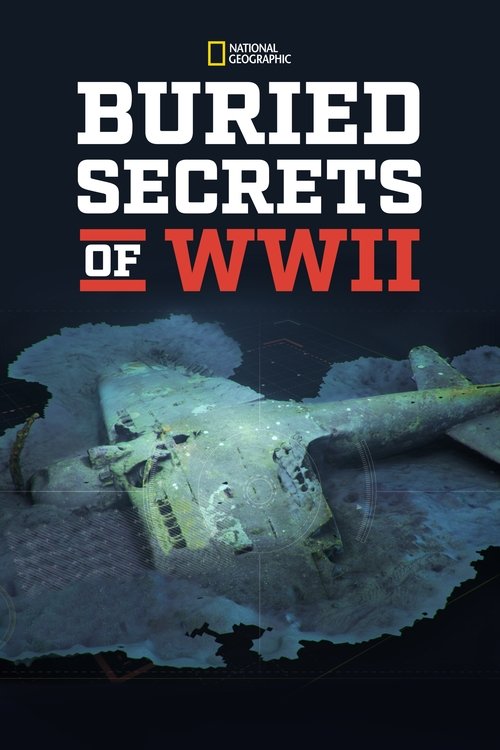
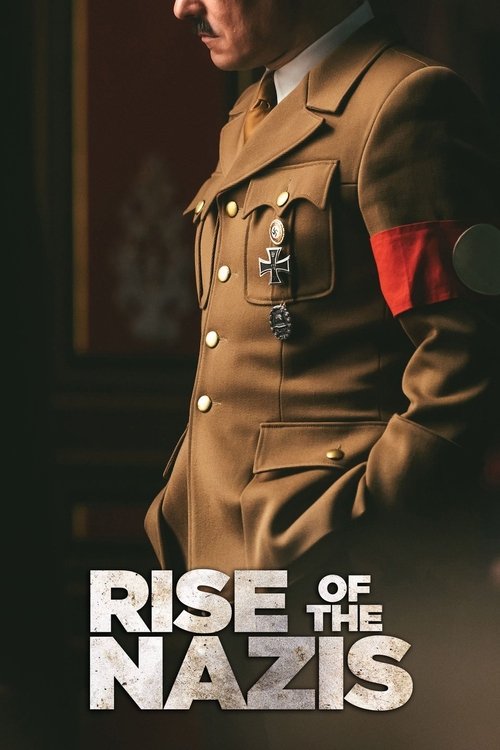
How did 20th Century Europe's most liberal democracy fall into the hands of fascists? From Hitler's political scheming that turned Germany's parliament into a House of Cards, his War on Truth leading to book burning, and his scapegoating of minorities, this series explores in extraordinary detail the events leading up to the outbreak of World War II.
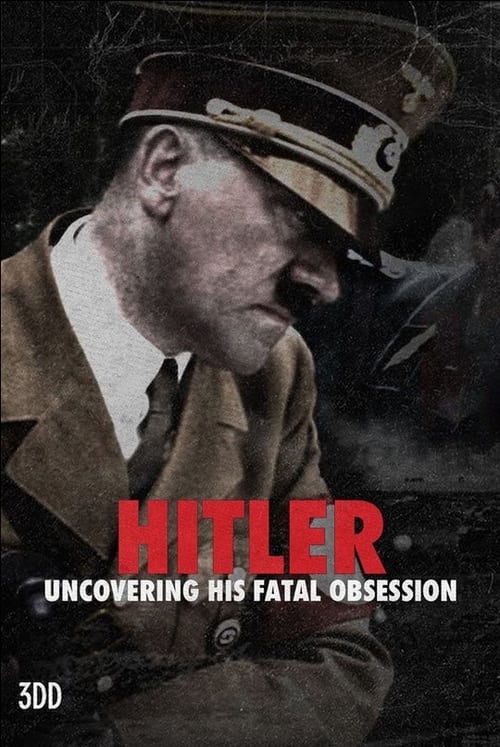
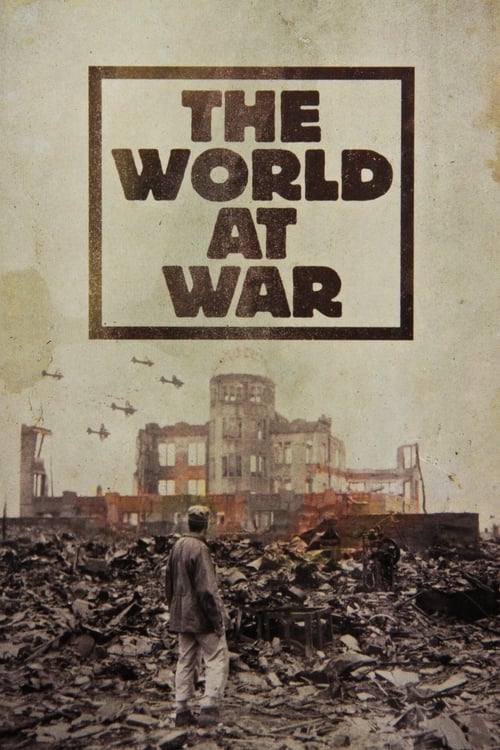

From tunnels to towers, artillery sites, resistance nests and communication centers, Nazi Germany left their footprint throughout the world. To this day, silent remains still exist, sentinels guarding clues about plots that Hitler was unable to carry out. The collapse of the Third Reich left as many secrets as it did relics. Still today, remnants of the Nazi's schemes lie concealed in structures scattered across the globe. Skeletons of projects give way to mysteries. Conspiracies abound about science fiction scenarios. The Nazis were nothing if not methodical, and a deeper look reveals even darker plans. From tunnels to towers, artillery sites and communication centers; the remains of these schemes lie waiting to reveal truths about the Fuhrer's tactics and dreams in Secret Nazi Bases. What did Hitler have planned?
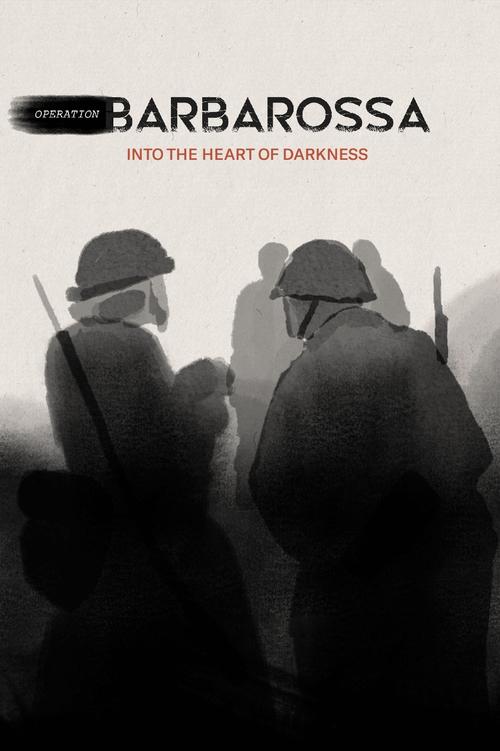
In June 1941, Hitler decides to break the German-Soviet pact and set the German army in motion toward Moscow. From summer to winter, and from Kiev to Leningrad, previously unseen archival footage, some recolored, retraces the bloodiest military operation of World War II. Testimonies from soldiers and civilians recount these endless months of battles and sieges.
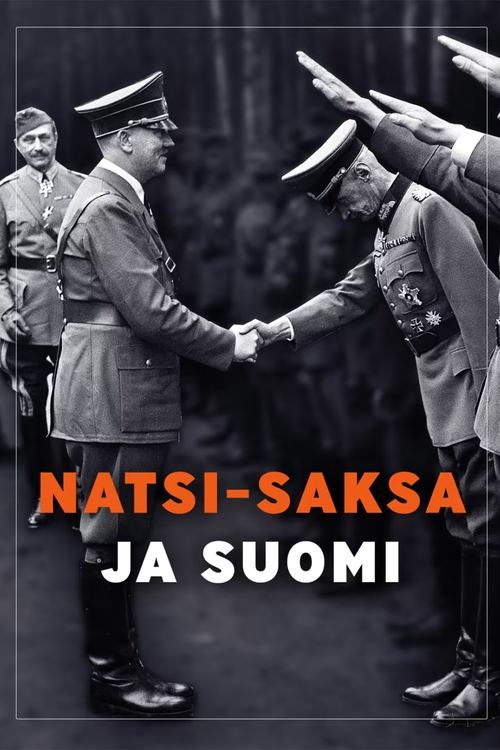
A four-part history series examines relations between Nazi Germany and Finland in the 1930s and 1940s. The series explores how the close relationship between Finland and Germany was born and developed, and what was known in Finland about the Holocaust, the mass extermination of the Jews at a time when the countries were at war together. Through archives and expert interviews, it explores how close Finns were to the Nazi German leadership.