Loading titles…
Documentary / War & Politics
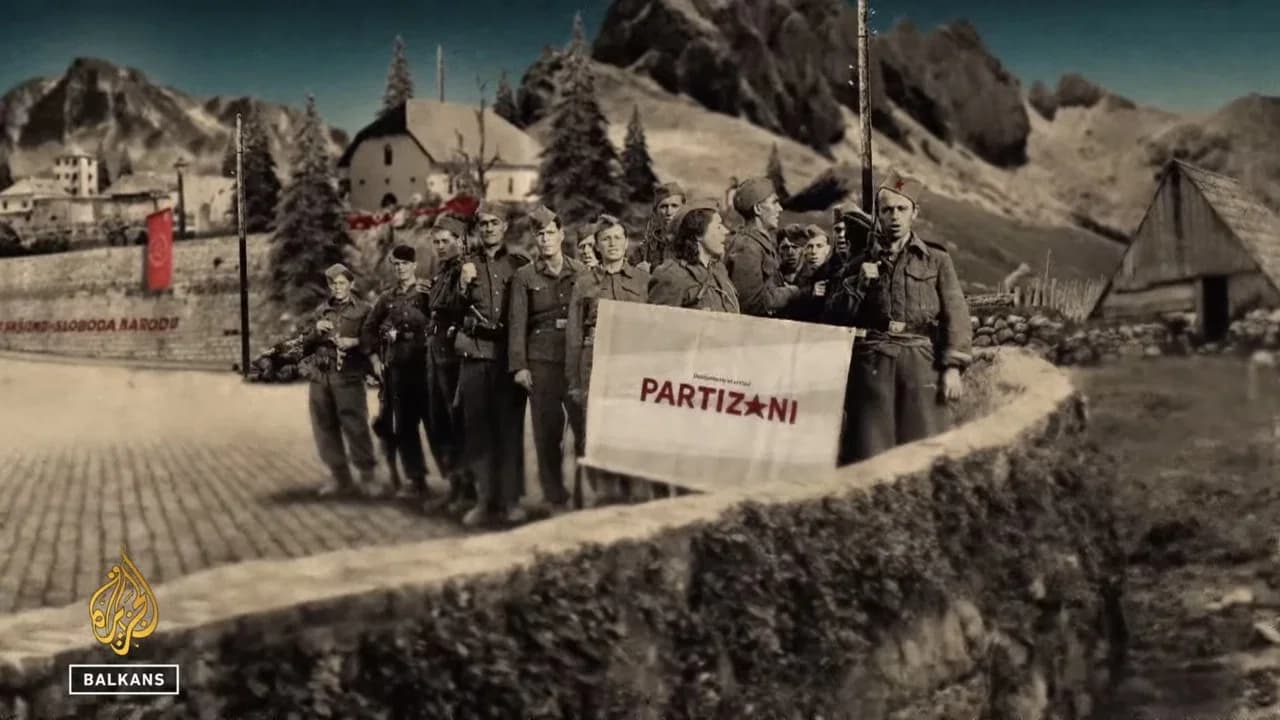
Who were the Yugoslav Partisans? A docuseries about the founding and evolution of the largest armed resistance in Europe during World War II.
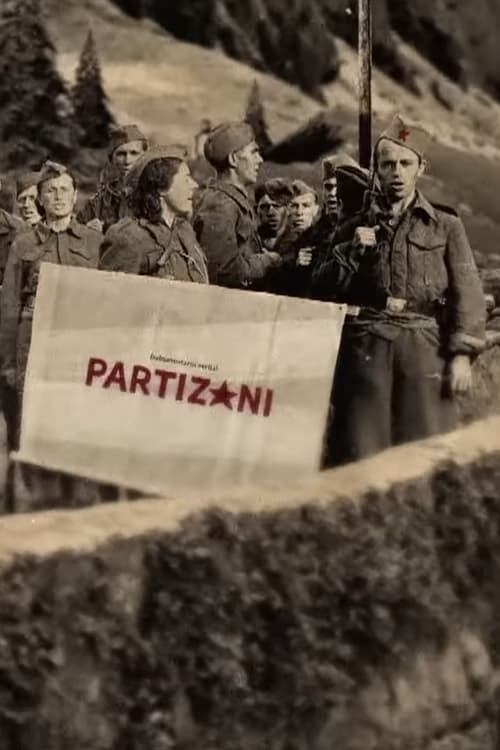
Why was the Spanish Civil War so important for the later development of the partisan movement and how did the partisans come to be. The partisan movement was the strongest organized armed resistance in Europe during the Second World War. But how did the war even happen? In the 1930s, Nazism and fascism grew stronger in Europe, people and movements with dangerous intentions came to power, and the great powers did not understand the scale of the changes. Among the political parties, the Communist Party with its headquarters in Moscow is spreading its influence across the continent, but what was it really like in the Kingdom of Yugoslavia? Why was the Spanish Civil War so important for the later development of the partisan movement and how the partisans were created, see in the first episode of the series.
In 1941, Hitler attacked Yugoslavia, after which that country capitulated. Its institutions are falling apart, and it is also falling apart territorially into several parts. The Chetnik movement emerged from the remnants of the royal army, and the Partisan movement under the leadership of communist activists. Both initially declared themselves as resistance movements to the German occupation, but from the beginning they found no room for cooperation ideologically. We explore who attracts more people to their ranks and what their goals are in the second episode of the series.
How is the partisan movement organized in the territory of the former Yugoslavia and where are the focal points of resistance? The Germans realize early on that the anti-fascists are their main opponents in the territory of Yugoslavia, but what is the moment when the Western powers realize that their true allies are actually the communists? In the third episode of the series, numerous historians explain what the key battles in which the Germans wanted to break the anti-fascist and partisan resistance looked like and why, despite the great losses, the partisan movement became even stronger after them.
Since the summer of 1941, the partisan movement has been growing daily, and members of different nationalities, professions and generations are joining it. Although the majority of partisans are men, women are also playing an increasingly important role. The mass movement also becomes militarily successful, and larger parts of the territory are liberated. Whether the organization of life in the liberated areas was a preparation for taking over power after the war, see in the fourth episode of the series.
The Yugoslav partisan movement was born as a liberation and anti-fascist movement, but over time it began to take on a revolutionary character. Communist ideology and symbolism become an indispensable part of the partisan identity. How communism will affect the attitude of partisans towards ideological dissenters in the country, but also to what extent it will determine the choice of military allies in Europe, see in the fifth episode of the series.
Although the villages, forests and mountains were the main area of activity, the success of the partisan movement would have been much more difficult to achieve without well-organized urban guerrillas and brave illegals in numerous Yugoslav cities.
From Drvar via Vis to Belgrade, Josip Broz Tito went from being the leader of a guerrilla movement to military leader and statesman in the span of a few minutes in 1944. How much did his charisma and battlefield success affect the relations between the Partisans and the Allied Powers? In the last episode of the series, we discover what the final operations for the liberation of Yugoslavia looked like, as well as what attitude the winners had towards the defeated.
Self
In 1945, during the final months of the Second World War, a group of soldiers perform for the Royal Artillery concert party, with comic acts and musical numbers for others prior to their departure for the frontlines. The party avoids partaking in combat duty; thus, the soldiers love being part of the outfit. Some even daydream of becoming world-famous actors when they leave the army.
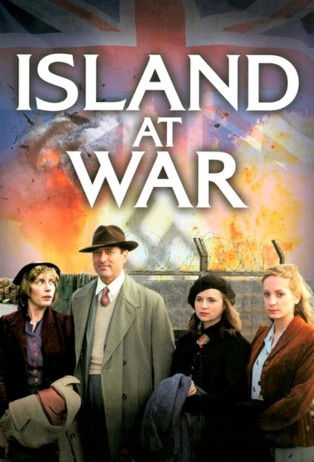
Island at War is a British television series that tells the story of the German Occupation of the Channel Islands. It primarily focuses on three local families: the upper class Dorrs, the middle class Mahys and the working class Jonases, and four German officers. The fictional island of St. Gregory serves as a stand-in for the real-life islands Jersey and Guernsey, and the story is compiled from the events on both islands. Produced by Granada Television in Manchester, Island at War had an estimated budget of £9,000,000 and was filmed on location in the Isle of Man from August 2003 to October 2003. When the series was shown in the UK, it appeared in six 70-minute episodes.
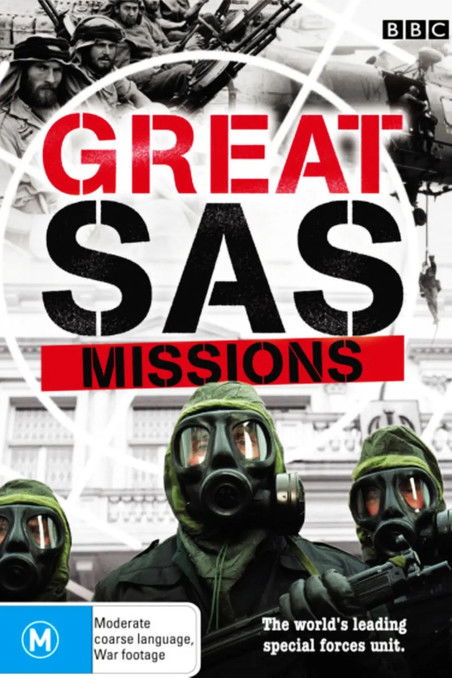
Over the past 60 years Britain's Special Air Service regiment has carried out a wide variety of clandestine missions - from deep-penetration raiding to hostage release operations - which have made it respected and feared for its professionalism and daring. The SAS prides itself on doing its work in the shadows, never allowing any publicity and never claiming credit for any of its extraordinary achievements. But, over the years, sufficient information has emerged for a picture of the regiment's exploits to be clear. This series uses interviews with former members of the SAS; detailed and painstaking reconstructions; and cutting edge 3-D graphics to recreate seven great missions which show why the SAS is today regarded as the world's leading special forces unit.
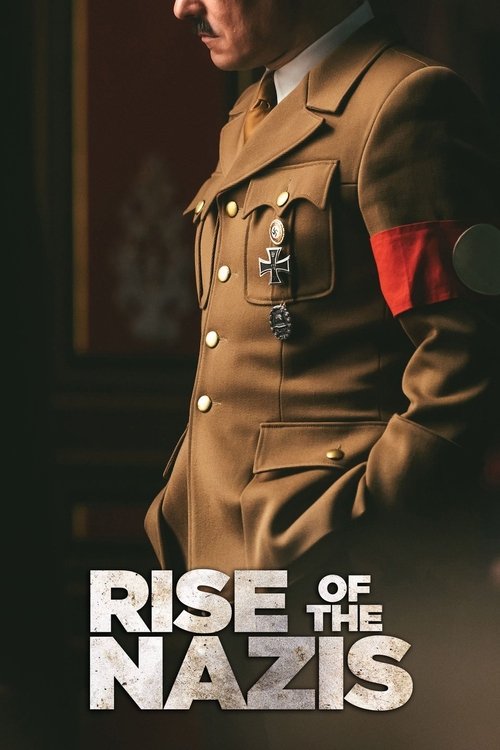
How did 20th Century Europe's most liberal democracy fall into the hands of fascists? From Hitler's political scheming that turned Germany's parliament into a House of Cards, his War on Truth leading to book burning, and his scapegoating of minorities, this series explores in extraordinary detail the events leading up to the outbreak of World War II.
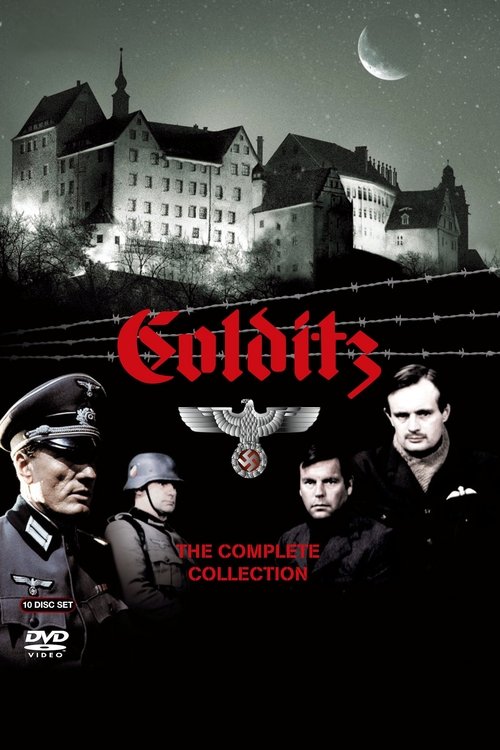
Colditz is a British television series co-produced by the BBC and Universal Studios and screened between 1972 and 1974. The series deals with Allied prisoners of war imprisoned at the supposedly escape-proof Colditz Castle when designated Oflag IV-C during World War II, and their many attempts to escape captivity, as well as the relationships formed between the various nationalities and their German captors.