Loading titles…
Documentary
The evolution of the modern naval warship, from the days of wooden vessels under sail to today's nuclear-powered aircraft carriers, submarines, and missile cruisers.
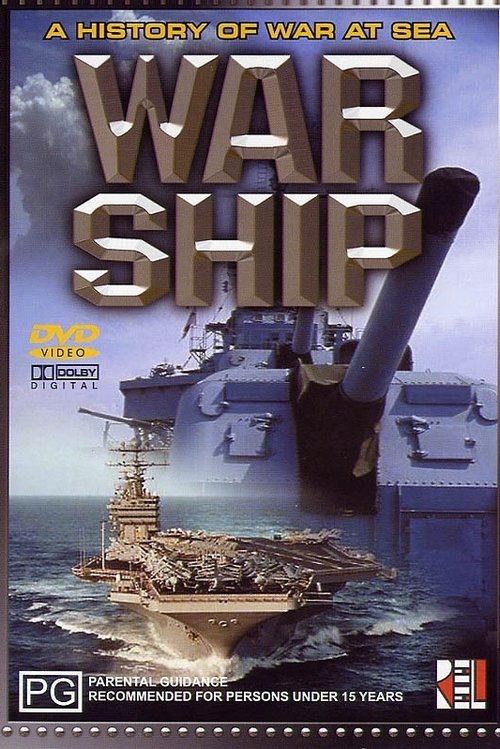
The era of Sea Power was one of great transition for military naval vessels. It began with the soaring majesty of HMS Victory at the 1805 Battle of Trafalgar, and ended in the late 19th century with the forbidding armored bulk of HMS Warrior, precursor of the modern battleship. In just 50 years, sails gave way to steam. Oak hulls to iron plates. Fixed cannons to smaller, more accurate gun batteries with greater range and flexibility. The rules of naval warfare would never be the same.
They have been called the ultimate warship. The epitome of stealth. Today's submarines have come a long way from the submersible oak barrel that kicked off submarine warfare in 1776. Nuclear subs can remain underwater indefinitely and destroy targets thousands of miles away. Their strategic value is immense: ballistic-missile submarines account for half of U.S. nuclear defense capabilities. No modern military power could claim superpower status without these ships, nor prevail against challenges to its might.
They were once the most terrifying of steel sea monsters. Heavily armored big gun battleships, with their overwhelming fire power, became the weapon of choice for asserting naval power. It was an era that would end only with World War II and the rise of the aircraft carrier. But even then, there was one last broadside to fire. The 1945 surrender ceremony ending World War II was signed on board the ultimate in big guns ships, the USS Missouri.
How does a modern navy project its power around the world? With nuclear-powered ships carrying fighter planes. Once flight became a proven asset in warfare, the aircraft carrier's importance as a naval war machine was confirmed. The aircraft carrier is now one of the U.S. Navy's most important strategic vessels. These massive, floating airbases intimidate wherever they roam.

Narrator

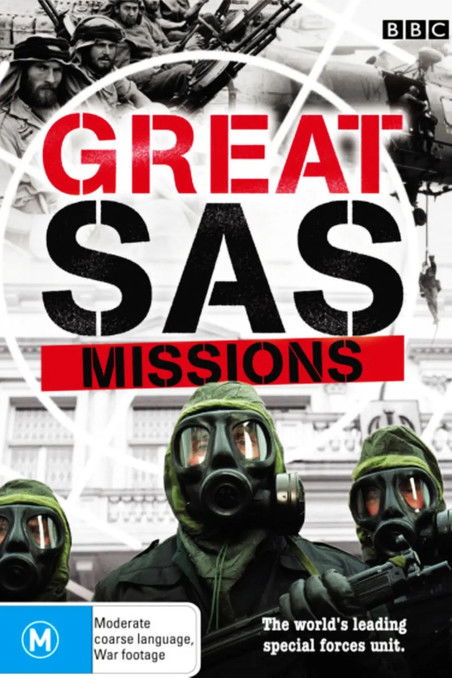
Over the past 60 years Britain's Special Air Service regiment has carried out a wide variety of clandestine missions - from deep-penetration raiding to hostage release operations - which have made it respected and feared for its professionalism and daring. The SAS prides itself on doing its work in the shadows, never allowing any publicity and never claiming credit for any of its extraordinary achievements. But, over the years, sufficient information has emerged for a picture of the regiment's exploits to be clear. This series uses interviews with former members of the SAS; detailed and painstaking reconstructions; and cutting edge 3-D graphics to recreate seven great missions which show why the SAS is today regarded as the world's leading special forces unit.
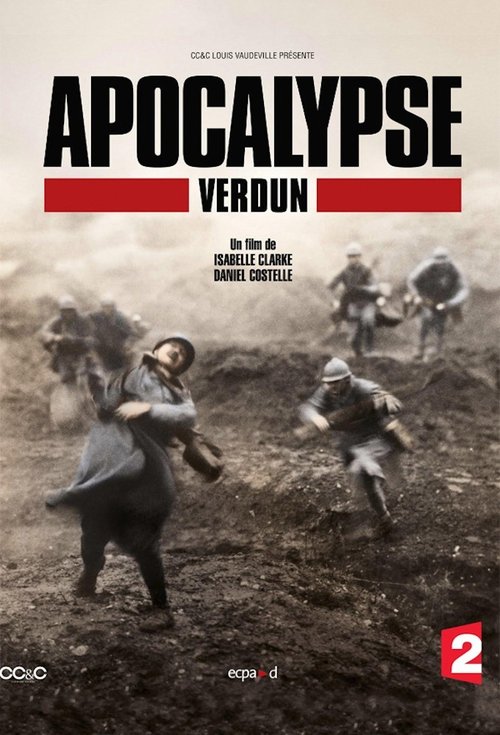
February 1916. World War I has been raging for two years and has killed over three million people, neither side gaining the upper hand. The Germans mobilize more artillery and men in Verdun than in any other offensive -- for three hundred days -- but the French hold out. Constructed from over five hundred hours of restored, colorized archival footage.
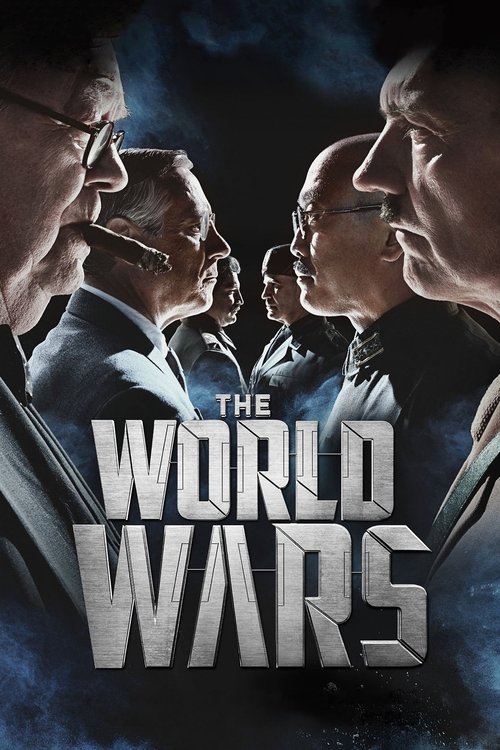
The story of three decades of war told through the eyes of various men who were its key players: Roosevelt, Hitler, Patton, Mussolini, Churchill, Tojo, DeGaulle and MacArthur. The series examines the two wars as one contiguous timeline starting in 1914 and concluding in 1945 with these unique individuals coming of age in World War I before ultimately calling the shots in World War II.
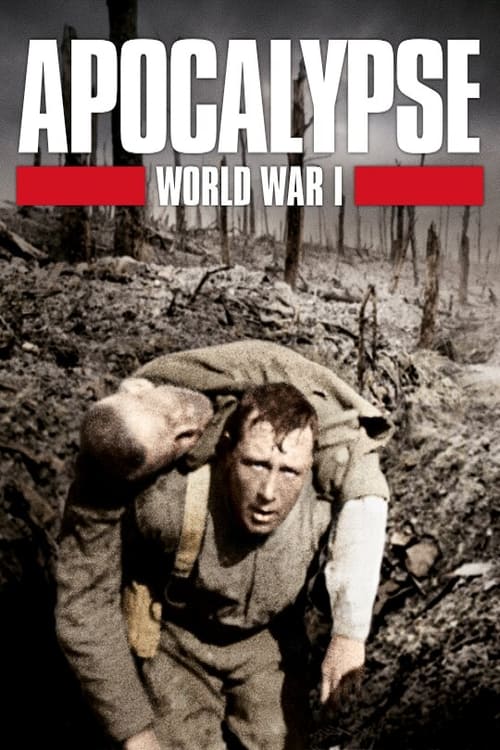
Colorized historical footage in ascending order of World War 1. Not only the relatively known Flanders and France battles, but also the generally unknown Italian-Austrian, German-Polish-Russian, Japanese-German, Ottoman Empire- Allied and African German Colonies, and other unknown or forgotten fronts and battles.
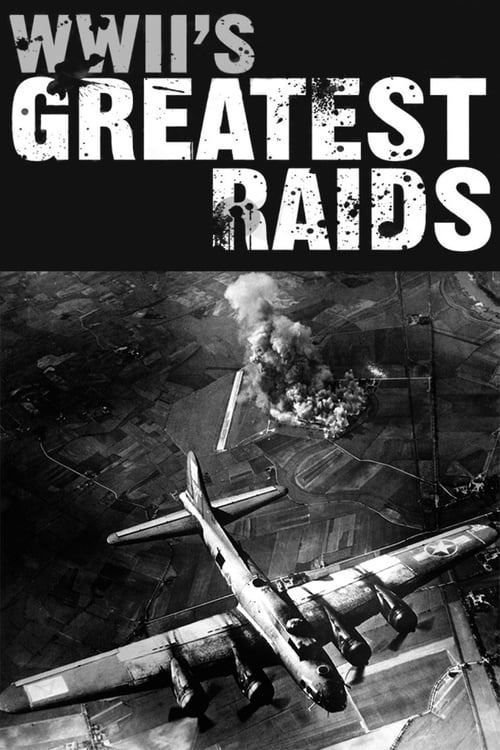
WWII’s Greatest Raids is a series that takes you into the heart of an elite band of soldiers in the heat of a key action in their history, and follows them on the mission to show just how these men put their unique combination of skills, training and equipment to the test of combat. We’ll explore just how celebrated outfits such as the U.S. Army Rangers, the British Special Air Service and the Black Devil Brigade have changed the course of a battle, or perhaps even a war, through their courage, daring and commitment.