Loading titles…
Documentary / War & Politics
The story of the Convoys is a tale of compelling drama, full of bravery and tragedy. It takes us into the lives of hundreds of thousands of unheralded men whose incredible everyday courage, played out in the cruel seas and cold skies of the North Atlantic changed the course of…
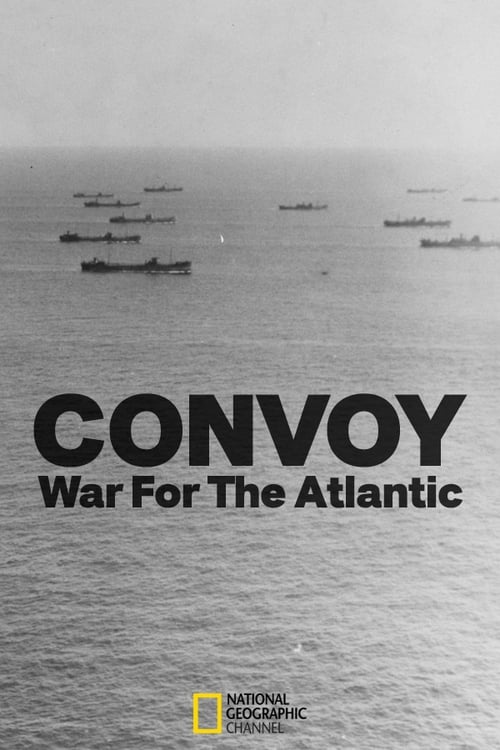
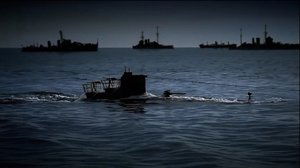
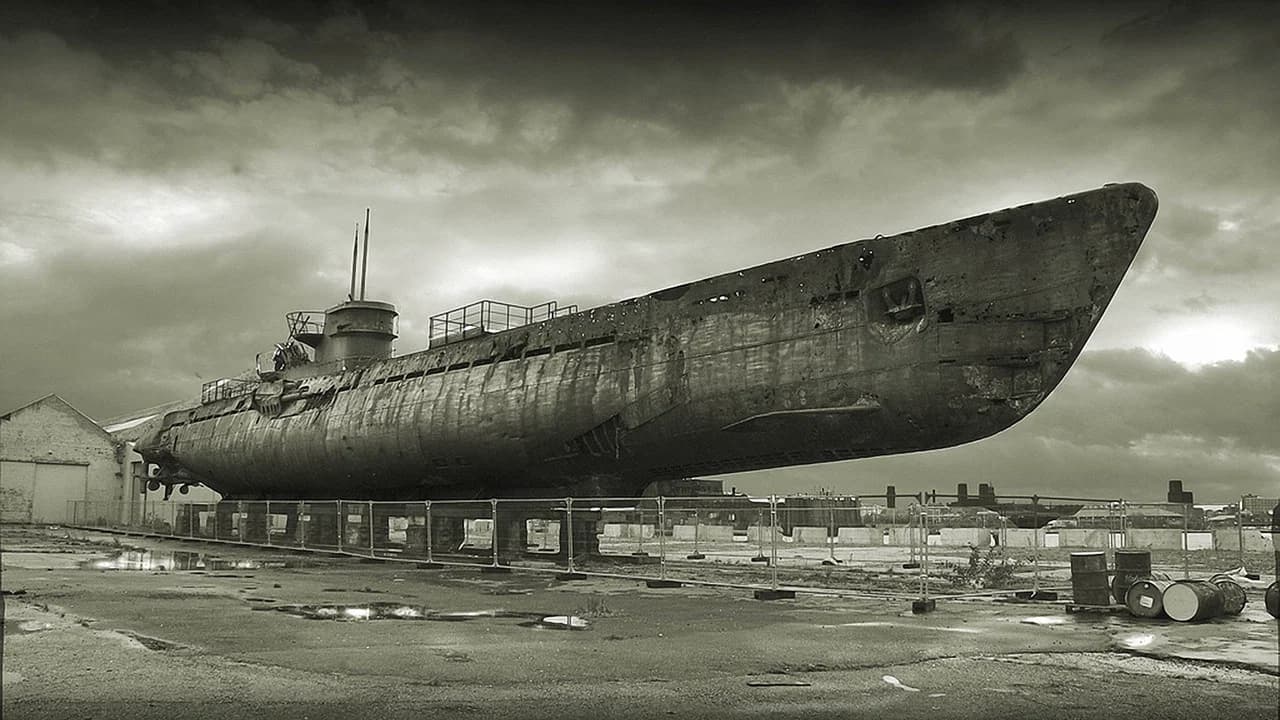
In May 1940, it looked like the deadly 'wolf packs' of German U-boats would sever Britain's Atlantic lifeline and force her to surrender.
In 1941 the Atlantic convoys slowly began to fight back, using cutting-edge technology that turned the German U-boat hunters into the hunted.
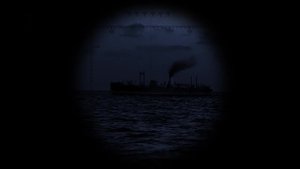
In December 1941 the surprise Japanese attack on Pearl Harbor brought the USA into the Second World War. With the help of America, Britain hoped her fortunes would change in the Atlantic and the German U-boats would be defeated. But America refused to adopt the convoy system to protect merchant ships carrying vital supplies to Britain, and as a result suffered its single greatest ever naval defeat.
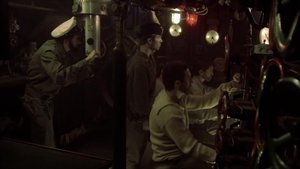
By January 1943, the Allies had developed technology and tactics that could take on the German U-boat threat. But an area of the mid-Atlantic, out of the range of Allied aircraft, was being targeted by the U-boats hunting convoys. So America introduced the long-range Liberator bomber in an attempt to close the air gap and win the war in the Atlantic. And Germany sent U-boats into the English Channel, hoping they could play a crucial role in preventing the D-Day landings.
Self - Narrator (voice)
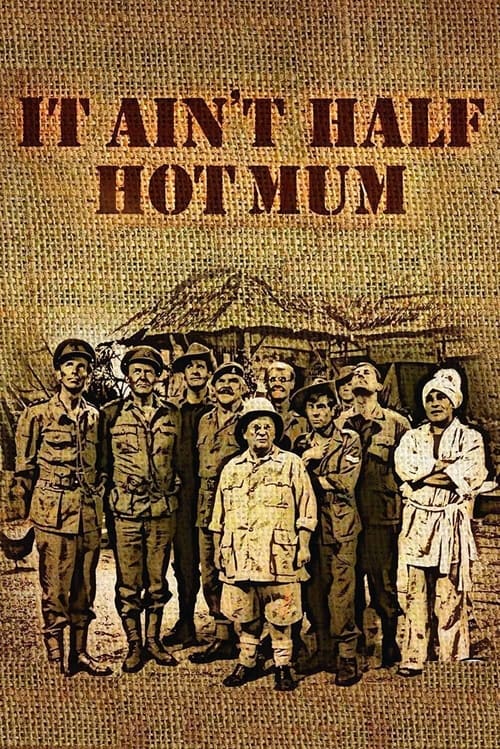
In 1945, during the final months of the Second World War, a group of soldiers perform for the Royal Artillery concert party, with comic acts and musical numbers for others prior to their departure for the frontlines. The party avoids partaking in combat duty; thus, the soldiers love being part of the outfit. Some even daydream of becoming world-famous actors when they leave the army.
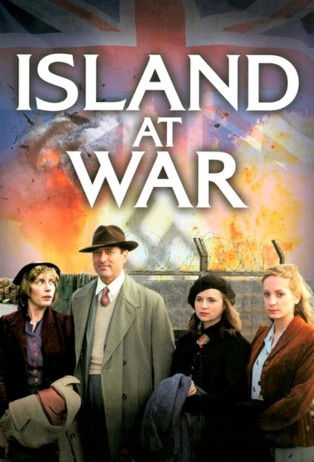
Island at War is a British television series that tells the story of the German Occupation of the Channel Islands. It primarily focuses on three local families: the upper class Dorrs, the middle class Mahys and the working class Jonases, and four German officers. The fictional island of St. Gregory serves as a stand-in for the real-life islands Jersey and Guernsey, and the story is compiled from the events on both islands. Produced by Granada Television in Manchester, Island at War had an estimated budget of £9,000,000 and was filmed on location in the Isle of Man from August 2003 to October 2003. When the series was shown in the UK, it appeared in six 70-minute episodes.
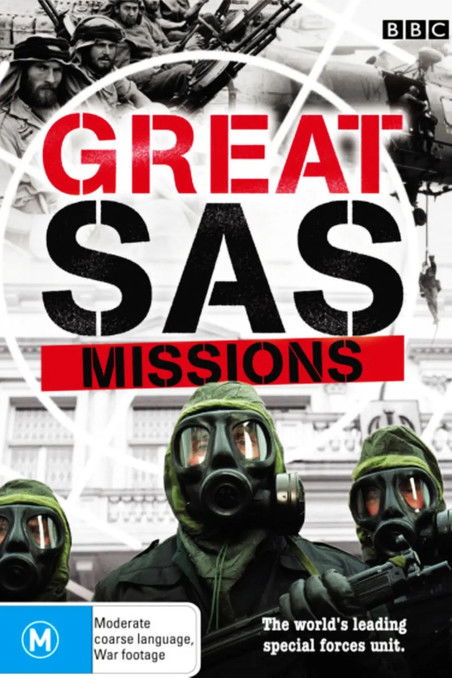
Over the past 60 years Britain's Special Air Service regiment has carried out a wide variety of clandestine missions - from deep-penetration raiding to hostage release operations - which have made it respected and feared for its professionalism and daring. The SAS prides itself on doing its work in the shadows, never allowing any publicity and never claiming credit for any of its extraordinary achievements. But, over the years, sufficient information has emerged for a picture of the regiment's exploits to be clear. This series uses interviews with former members of the SAS; detailed and painstaking reconstructions; and cutting edge 3-D graphics to recreate seven great missions which show why the SAS is today regarded as the world's leading special forces unit.
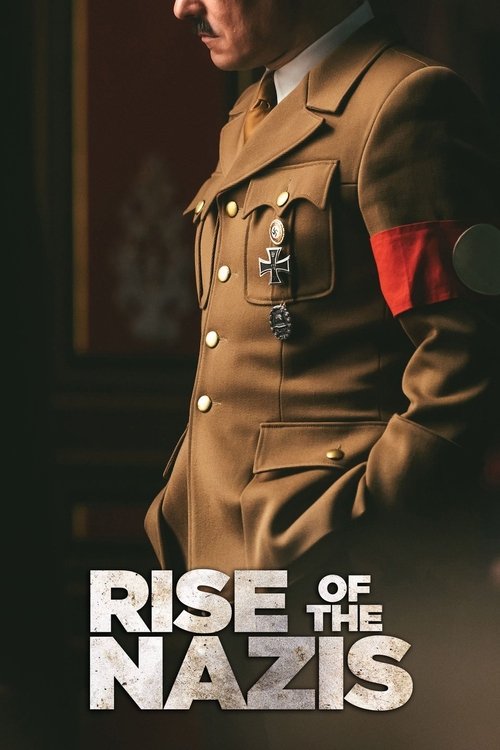
How did 20th Century Europe's most liberal democracy fall into the hands of fascists? From Hitler's political scheming that turned Germany's parliament into a House of Cards, his War on Truth leading to book burning, and his scapegoating of minorities, this series explores in extraordinary detail the events leading up to the outbreak of World War II.
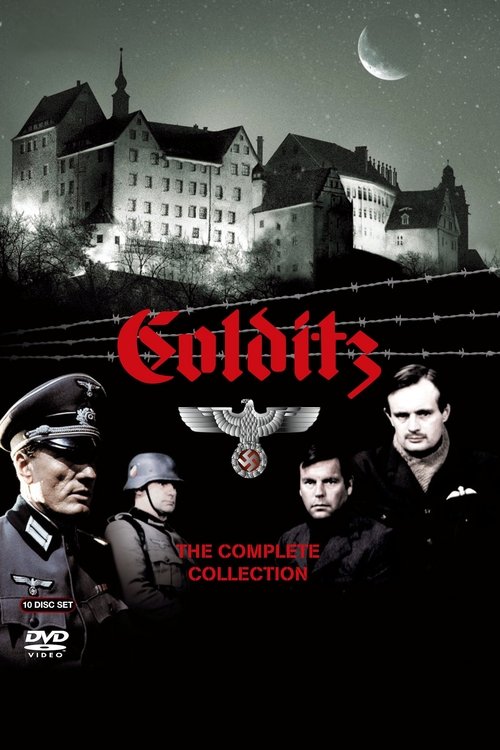
Colditz is a British television series co-produced by the BBC and Universal Studios and screened between 1972 and 1974. The series deals with Allied prisoners of war imprisoned at the supposedly escape-proof Colditz Castle when designated Oflag IV-C during World War II, and their many attempts to escape captivity, as well as the relationships formed between the various nationalities and their German captors.