Loading titles…
Drama / War & Politics
When the Nazis secure a heavy water plant to realize their plan to create an atomic bomb, the Norwegian Allies struggle to sabotage the operation.
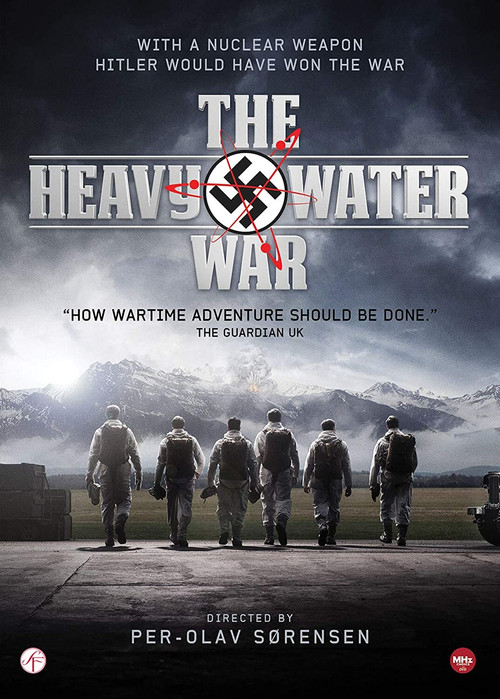
During the second world war, Nobel price winner Werner Heisenberg is the head of the nazis atomic project. Heisenberg needs heavy water for the reactor he is building, only produced by Norwegian Hydro at Vemork. The creator of the heavy water factory, scientist and resistance fighter Leif Tronstad, come to be sucpicious of the german purchase of heavy water and contacts English intelligence.
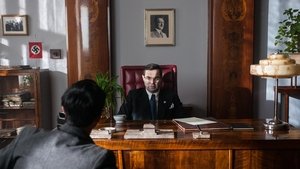
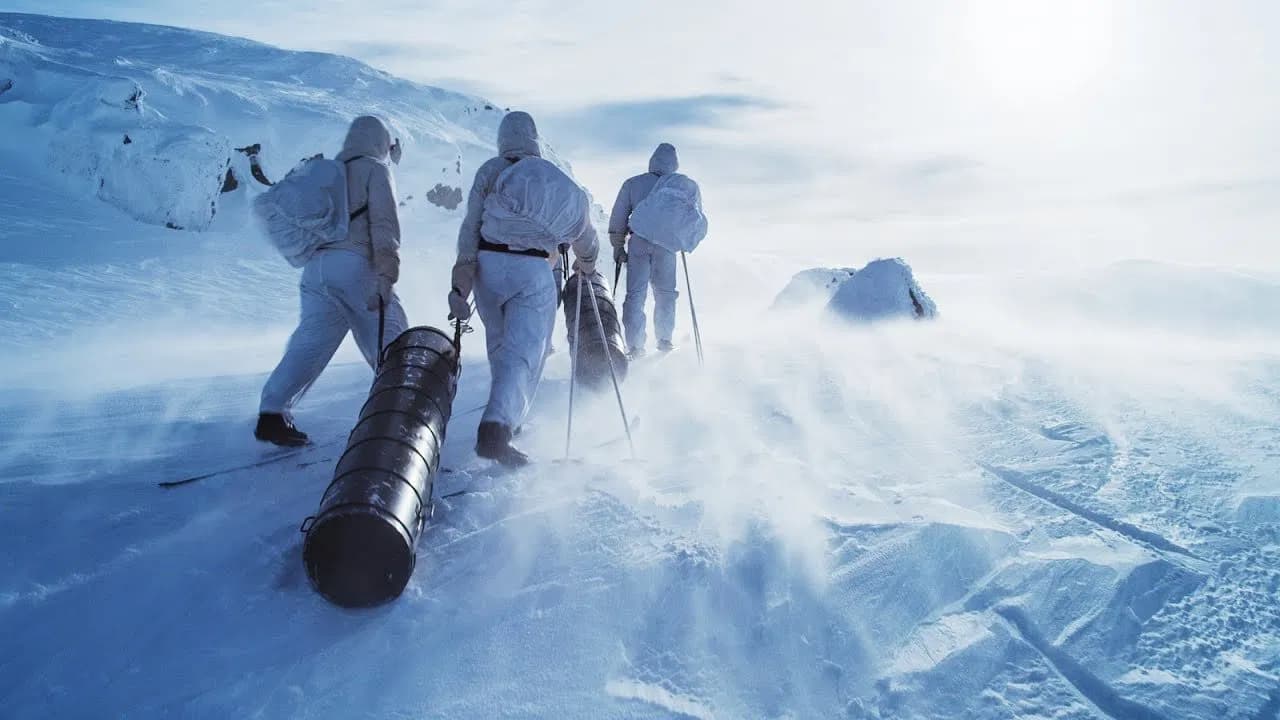
Leif Tronstad assembles a sabotage group named Grouse. The aim is to assist the English commandos to blow up the water plant at Vemork. In Germany, Werner Heisenberg continues his work on the atomic reactor. Grouse is dropped over Hardangervidda and prepare a landing for the Englishmen.
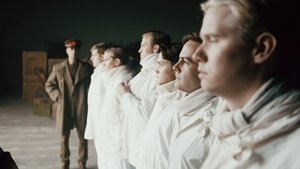
The English mission fails and the allies now wants to bomb the heavy water plant. Leif Tronstad persuades them to submit a Norwegian special force group to blow up the factory. Tronstad collect saboteurs, name the group Gunnerside and start training.
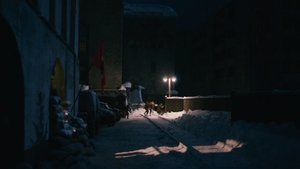
Gunnerside lands on Hardangervidda and joins grouse. The twentyseventh of February, 1943, the 9 saboteurs skies down the mountain in the direction of Vemork to blow up the heavy water plant.
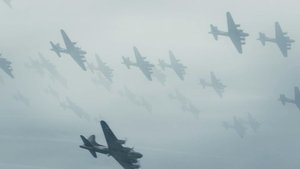
The Germans are hard at work rebuilding the heavy water factory after the sabotage. CEO Henriksen at Norwegian Hydro discovers that he is dangerously close to be labeled as a war collaborator and tries negotiate his way out. In England the Americans decide to bomb Rjukan and the factory at Vemork.
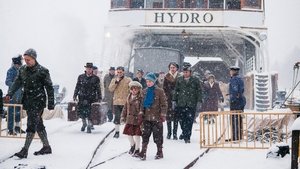
The Germans decide to move the heavy water factory to Germany and the allies once again decide to sabotage the German plan. Leif Tronstad arrives back in Norway to conduct operation "Sunshine".
Kasper Idland

Julie Smith
Fredrik Kayser
Kurt Diebner
Emil Leeb
Joachim Rønneberg
Bjørn Henriksen

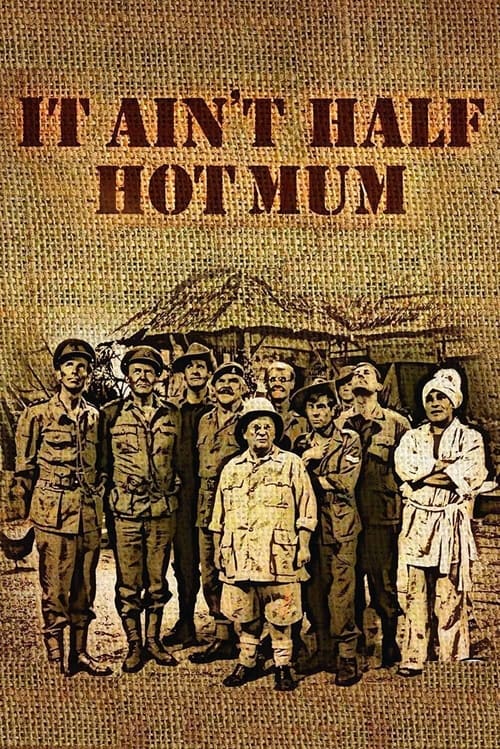
In 1945, during the final months of the Second World War, a group of soldiers perform for the Royal Artillery concert party, with comic acts and musical numbers for others prior to their departure for the frontlines. The party avoids partaking in combat duty; thus, the soldiers love being part of the outfit. Some even daydream of becoming world-famous actors when they leave the army.

The Bletchley Circle follows the journey of four ordinary women with extraordinary skills that helped to end World War II. Set in 1952, Susan, Millie, Lucy and Jean have returned to their normal lives, modestly setting aside the part they played in producing crucial intelligence, which helped the Allies to victory and shortened the war. When Susan discovers a hidden code behind an unsolved murder she is met by skepticism from the police. She quickly realises she can only begin to crack the murders and bring the culprit to justice with her former friends. The Bletchley Circle paints a vivid portrait of post-war Britain in this fictional tale of unsung heroes.
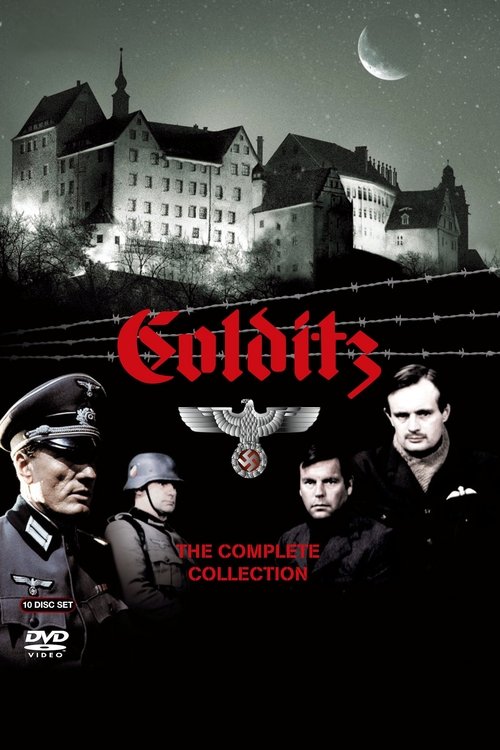
Colditz is a British television series co-produced by the BBC and Universal Studios and screened between 1972 and 1974. The series deals with Allied prisoners of war imprisoned at the supposedly escape-proof Colditz Castle when designated Oflag IV-C during World War II, and their many attempts to escape captivity, as well as the relationships formed between the various nationalities and their German captors.
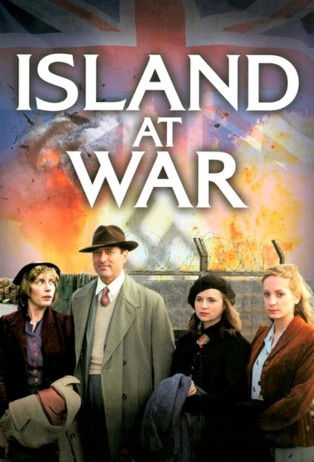
Island at War is a British television series that tells the story of the German Occupation of the Channel Islands. It primarily focuses on three local families: the upper class Dorrs, the middle class Mahys and the working class Jonases, and four German officers. The fictional island of St. Gregory serves as a stand-in for the real-life islands Jersey and Guernsey, and the story is compiled from the events on both islands. Produced by Granada Television in Manchester, Island at War had an estimated budget of £9,000,000 and was filmed on location in the Isle of Man from August 2003 to October 2003. When the series was shown in the UK, it appeared in six 70-minute episodes.

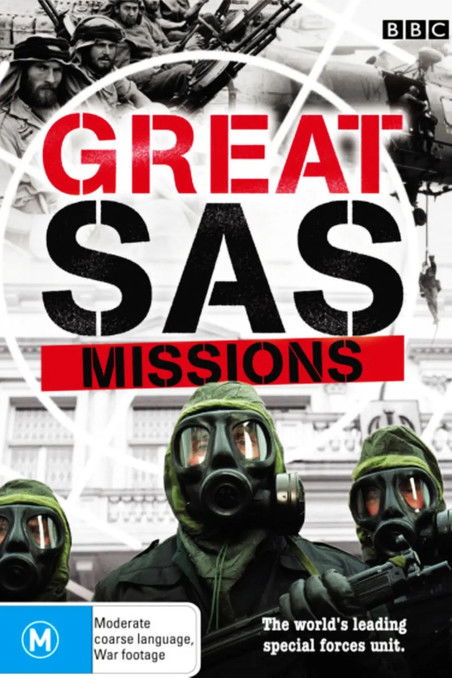
Over the past 60 years Britain's Special Air Service regiment has carried out a wide variety of clandestine missions - from deep-penetration raiding to hostage release operations - which have made it respected and feared for its professionalism and daring. The SAS prides itself on doing its work in the shadows, never allowing any publicity and never claiming credit for any of its extraordinary achievements. But, over the years, sufficient information has emerged for a picture of the regiment's exploits to be clear. This series uses interviews with former members of the SAS; detailed and painstaking reconstructions; and cutting edge 3-D graphics to recreate seven great missions which show why the SAS is today regarded as the world's leading special forces unit.

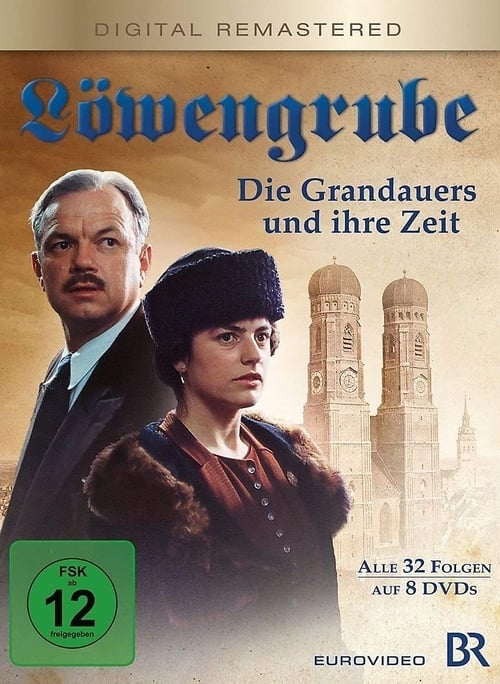
"Löwengrube – Die Grandauers und ihre Zeit" is a German television series first aired between 1989 and 1992, created by Willy Purucker and directed by Rainer Wolffhardt. It is set in Munich and follows the lives of Ludwig Grandauer and his son Karl, both policemen, covering the years from 1897 to 1954. The TV show is based on Purucker's radio play series Die Grandauers und ihre Zeit (‘The Grandauers and their time’). The series’ main title "Löwengrube", meaning ‘Lions’ Den’, refers to the address of the Munich Police Headquarters inaugurated in 1913.
Claus Helberg

Knut Haukelid
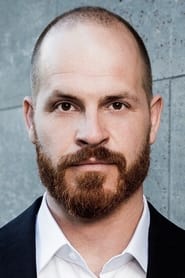
Major Decker
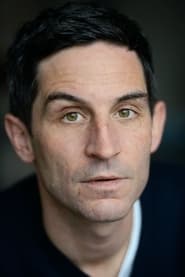
Werner Heisenberg
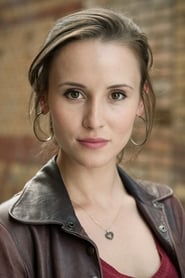
Elisabeth Heisenberg