Loading titles…
Documentary
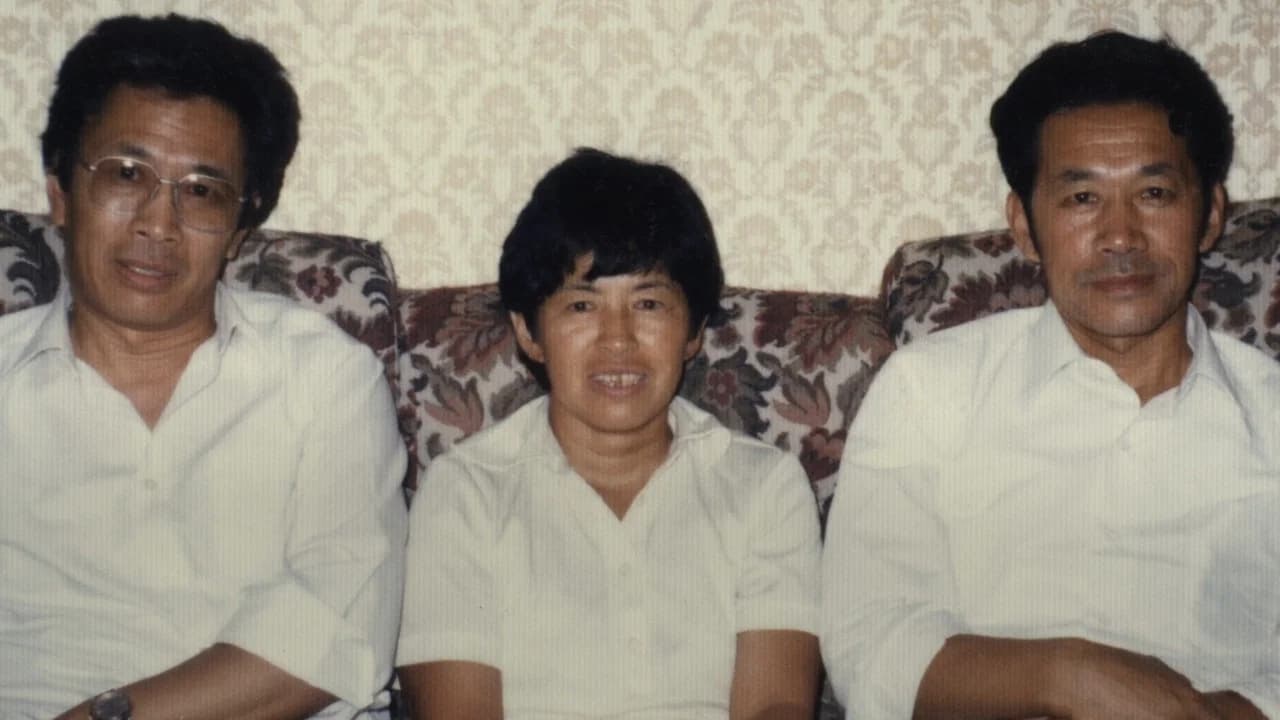
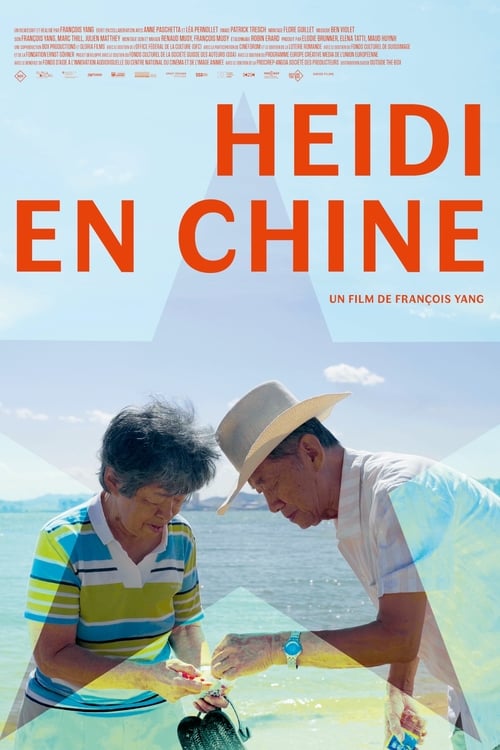
In 1946, Heidi is entrusted to a Swiss family by her father. He will never come back for her. Today, François Yang questions his mother about her past. What follows is a journey to China, a quest to reconstruct memory. Through contact with her brothers and sister, Heidi measures…
No cast information available.
Two men, the hint of a sofa corner and a pile of letters. Using minimalist means, the film tells the story of two brothers caught between exile in a foreign country and resistance in the underground. It takes us back to the time when the revolution seized power in Iran and tells of life between the fronts. Daniel Asadi Faezi sketches the story of his father and his brothers - based on correspondence that has lain in the cellar for 30 years.
Mao Zedong was not only a revolutionary leader and thinker, he was also a poet. In poems written in the classic calligraphic tradition he expresses his experiences and visions. In this film, 8 of Mao's poems are sung, recited and interpreted: 'Changsha' (1925), 'Jinggang Mountains' (1928), 'The Long March' (1935), 'Snow' (1936), 'The People's Liberation Army Captures Nanjing' (1949), 'Swimming' (1956), 'Reply to Comrade Guo Moruo' (1961) and 'Reascending Jinggang Mountains' (1965). Through these poems we get a picture of the Chinese revolution from its first beginning in 1921 until the Cultural Revolution. The poems of Mao Zedong have been published in more than 57 million copies

A new father takes his wife and daughter on a journey to his mother’s birthplace in Scotland. It is 1976 – the year in which NASA’s Viking 1 and 2 space probes land on the surface of Mars. They send images of an only vaguely explored area from a great distance, enabling a first look into the history of an alien planet. Like the NASA scientists, the small family are hoping that their journey will give them insights into the past, an understanding of the present situation and perhaps even the chance to anticipate the future.
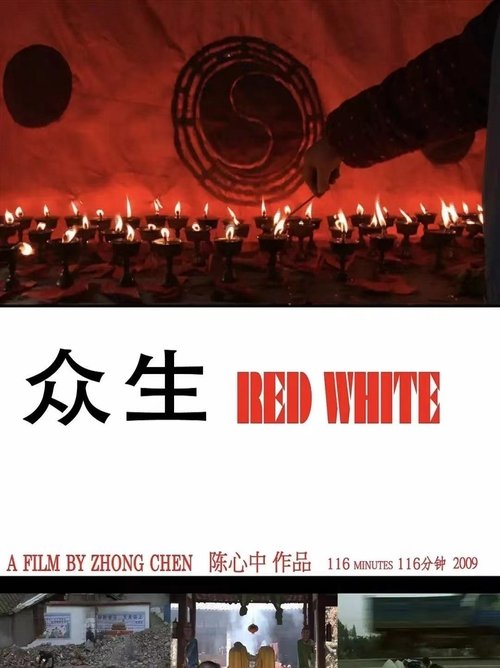
A small rural township called Red White was seriously devastated by the May 12th Earthquake in China 2008. A 62-year-old Taoist survived even though his temple was largely torn by the disaster. This documentary tells the story of how the Taoist practices the widely believed Chinese traditional religion and the local people’s daily life during the township’s post-quake reconstruction.
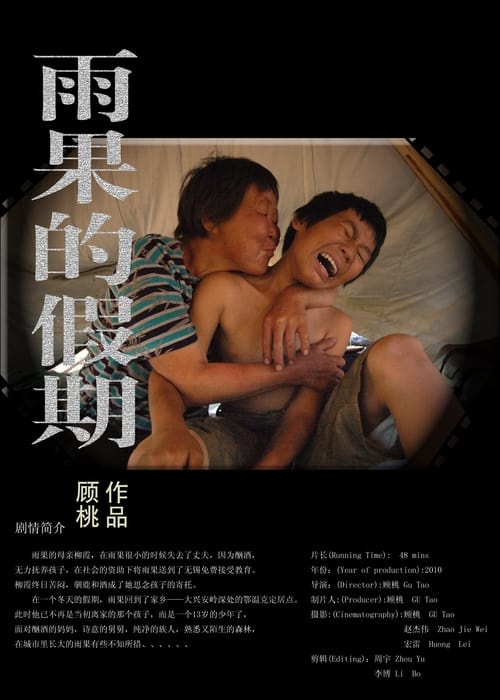
Yuguo, from Mongolia, lost his father when he was very young. His mother Liuxia was not able to raise him as a heavy drinker. With social support, she sent Yuguo to Wuxi for free education. Liuxia is depressed all day long, and she finds sustenance of missing Yuguo in reindeer and wine. One winter holiday after many years, Yuguo returns to his hometown, the Evenki settlement deep in the Greater Khingan mountains. At that time, he is no longer the boy who just left home, but a thirteen-year-old teenager. Facing alcoholic mother, poetic uncle, pure people from the tribe, familiar yet strange forest, Yuguo, who grew up in the city, doesn’t know what to do. In the snow-laden mountains of Aoluguya, northeast of Inner Mongolia, the film chronicles their brief time together. Yuguo and His Mother is the second documentary of Gu Tao’s Evenki trilogy.