Loading titles…
Documentary
Historian Lucy Worsley presents a series marking the 200th anniversary of one of the most explosive and creative decades in British history, the Regency.

Historian Dr. Lucy Worsley looks at how the Prince Regent was obsessed with outdoing Napoleon not on the battlefield, but in opulence, bling and monumental architecture.
Lucy Worsley looks at how, under the Prince Regent's aegis, Britain celebrated Napoleon's defeat by refashioning itself in architecture and design.
Lucy Worsley examines a world turned upside down by change, as the Prince Regent's excesses provoke riots, political unrest and assassination attempts.

Self - Presenter
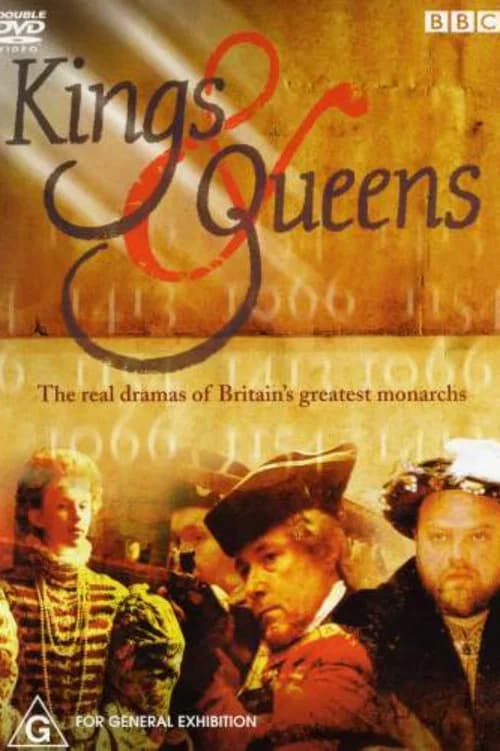
The twelve episodes of this BBC series cover a millennium of English monarchy and portray lives of twelve important English monarchs and how each of them impacted the history: William the Conqueror, Henry II, Edward I, Henry V , Richard III, Henry VIII, Elizabeth I, Charles I, Charles II, George III, Victoria, and to the present Queen Elizabeth II. Each 23-minute episode is filmed on location, with historian Nigel Spivey providing the narration describing bloodshed, lust and political intrigue. Actors provide mute dramatization.

Stretching from the Stone Age to the year 2000, Simon Schama's Complete History of Britain does not pretend to be a definitive chronicle of the turbulent events which buffeted and shaped the British Isles. What Schama does do, however, is tell the story in vivid and gripping narrative terms, free of the fustiness of traditional academe, personalising key historical events by examining the major characters at the centre of them. Not all historians would approve of the history depicted here as shaped principally by the actions of great men and women rather than by more abstract developments, but Schama's way of telling it is a good deal more enthralling as a result. Schama successfully gives lie to the idea that the history of Britain has been moderate and temperate, passing down the generations as stately as a galleon, taking on board sensible ideas but steering clear of sillier, revolutionary ones. Nonsense. Schama retells British history the way it was--as bloody, convulsive, precarious, hot-blooded and several times within an inch of haring off onto an entirely different course. Schama seems almost to delight in the goriness of history. Themes returned to repeatedly include the wars between the Scots and the Irish and the Catholic/Protestant conflicts--only the Irish question remains unresolved by the new millennium. As Britain becomes a constitutional monarchy, Schama talks less of Kings and Queens but of poets and idea-makers like Orwell. Still, with his pungent, direct manner and against an evocative visual and aural backdrop, Schama makes history seem as though it happened yesterday, the bloodstains not yet dry.

Winston Churchill: The Wilderness Years is an 8-part 1981 drama serial based on the life of Winston Churchill, and particularly his years in enforced exile from political position during the 1920s and 30s. It was written and directed by Ferdinand Fairfax and Churchill was played by Robert Hardy. Hardy's brilliant performance as Churchill won critical acclaim and a BAFTA award in 1982. He reprised the role in The Sittaford Mystery, Bomber Harris and War and Remembrance and at the 50th anniversary celebrations of the end of World War II in 1995 when he quoted a number of Churchill's wartime speeches in character.


In this unique take on British history, Professor Alice Roberts explores Britain's rich and varied past through the stories of individual towns and cities. In each programme Alice studies one key period in history by delving into the secrets of a historic town that encapsulates the era, providing an accurate impression of what life was really like at key moments in our turbulent past. At the climax of each programme, cutting-edge CGI reveals the entire historic town in all its former glory.

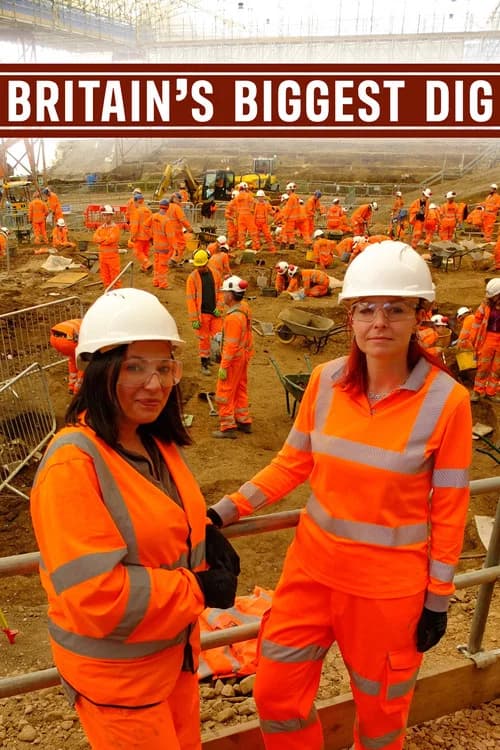
Profiling two of the massive archaeological digs along the 150-mile route of HS2, the UK’s new high-speed rail link, ahead of its start of construction. These cemetery excavations reveal forgotten stories of the rich and poor, and how Georgian-era London and industrial Birmingham left their mark on the thousands of skeletons buried there.